The moment has arrived in Spain when buying a new electric car is no longer a luxury. Thanks to the implementation of the Auto Plus program, supported by the Ministry of Industry and Tourism and the country’s largest dealerships, electric vehicle prices have dropped to levels that only recently seemed out of reach. Now, even those who previously dismissed electric cars due to high costs can afford modern, eco-friendly transportation.
The changes are straightforward: the government covers up to €4,500 when purchasing an electric car, with dealers adding another €1,000 discount. The final amount depends on the country of origin and engine type, but in any case, the total price is pleasantly surprising. As a result, ten models have entered the market with prices, after all discounts, ranging from €11,450 to €18,950. These are not just numbers—they are a real opportunity for thousands of families to switch to environmentally friendly vehicles without extra costs.
Available models
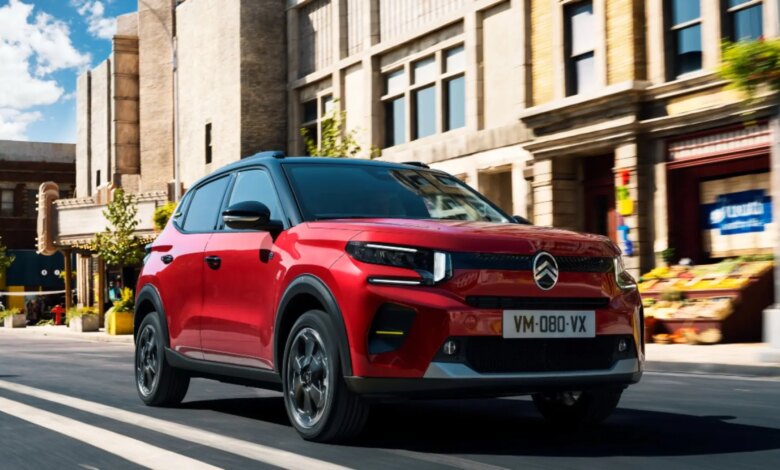
Leading the list of the most affordable electric cars is the Citroën ë-C3, which, after all deductions, costs €11,450. Next is the Renault Twingo E-Tech at €12,858, and the Dacia Spring can be purchased for €13,515. Chinese brands are also present: Leapmotor T03 and BYD Dolphin Surf offer their vehicles for €13,700 and €14,455, respectively. The Italian DR 1.0, despite its mixed origins, is priced at €14,525. The Opel Frontera, Renault 5 E-Tech, Fiat 500e, and Fiat Grande Panda complete the top ten, and even their prices do not exceed €19,000.
Each of these models has its own advantages: some focus on compact size and maneuverability, others on spaciousness and driving range. For example, the Opel Frontera seats seven, while the Fiat Grande Panda stands out for its trunk capacity. Chinese vehicles like the BYD Dolphin Surf are designed primarily for city use and offer an excellent balance of price and features. Importantly, all these cars are fully electric, which helps save on fuel and maintenance costs.
Market Impact
The arrival of such affordable electric vehicles is already reshaping demand. More and more Spaniards are choosing electric cars over gasoline and diesel vehicles. It’s not just a matter of ecology but also economy: running an EV is cheaper, and charging infrastructure is expanding rapidly. According to Autobild, both automakers and dealers report growing interest in new models, with waiting lists for some cars now stretching into several months.
It’s worth noting that such trends are not unique to Spain. In China, for example, electric vehicles have long been mainstream, with some models selling for less than 7,000 euros. The experience of the Geely EX2, covered in the russpain article, shows that affordability and government support can completely transform the automotive market. Spain is following the same path, betting on the mass adoption of electric vehicles.
Selection Criteria
When buying an electric car with the new discounts in mind, it’s important to consider not only the price, but also the technical specifications. Driving range, engine power, trunk capacity, and seating — all these factors affect comfort and everyday practicality. For example, the Citroën ë-C3 is suitable for city driving, while the Opel Frontera is a good choice for larger families. Chinese models often have better equipment, but European brands focus on build quality and after-sales service.
Don’t forget where the car is made: vehicles assembled in Europe receive maximum support, while subsidies for Chinese models are lower. Nevertheless, even taking this into account, the price gap between European and Asian electric cars is steadily narrowing. This fosters healthy competition and motivates manufacturers to offer increasingly attractive deals to buyers.
Prices are expected to fall further and the range of choices is set to expand in the coming years. Already, many dealerships are offering extra perks such as free charging or extended warranties. All of this makes the transition to electric vehicles not just advantageous, but also convenient for most people in the country.
Plan Auto Plus is a government initiative aimed at accelerating Spain’s transition to environmentally friendly transportation. The program offers substantial subsidies for buyers of new electric vehicles and promotes the development of charging infrastructure. Thanks to this project, electric cars are becoming accessible to a broad audience, giving a strong boost to the market. In the coming years, the share of electric vehicles on the country’s roads is expected to grow, while the cars themselves will become even more advanced and convenient.