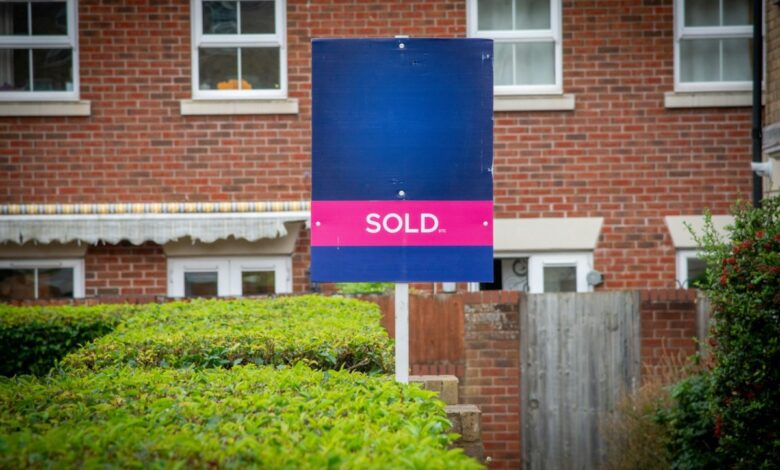
A new trend is gaining momentum in Spain’s real estate market: more and more apartments are being sold with occupants already inside—people who have taken over the property without the owner’s consent. According to the latest data, 3% of all properties on the market now fall into the category of so-called ‘occupied’ or non-owner-occupied homes. Cataluña leads by a wide margin, accounting for nearly 40% of such listings, while in Girona, these properties represent almost 9% of all sales.
Buying property with squatters inside is no longer a curiosity—it’s a reality faced by both investors and regular homebuyers. This phenomenon is driven by a combination of soaring property prices, eviction challenges, and specific features of Spanish law, which protects vulnerable groups. As a result, the market increasingly offers properties where the new owner inherits not just square footage, but a whole host of legal and everyday issues.
Legal Nuances
Selling an apartment without actual possession is legal, but it comes with serious risks. Lawyers warn that buyers won’t be able to move in right away, won’t know the real condition of the property, and can’t make claims about hidden defects. Moreover, gaining access often requires initiating a court case, which can drag on for years.
The buyer assumes all expenses—taxes, utilities, and fees—from the moment the deal is signed, even if they cannot use the property. At the same time, any attempts to earn income from the apartment (for example, by renting it out) are impossible until ownership has been restored through the courts. In some cases, if families with children or officially recognized vulnerable individuals live in the property, eviction may be postponed until 2028.
Types of Occupation
There are various situations involving occupied apartments. Some residents have simply entered an empty property without any legal rights—these are classic “okupas.” Others stayed on after their lease ended or inherited the apartment without proper paperwork. Some are former owners who continue to live in the property after losing it due to foreclosure. Each category has its own legal procedures and timelines for eviction, which makes the process even more complicated for new owners.
Experts advise thoroughly checking not only the property documents, but also verifying who exactly is living in the apartment, on what grounds, and the prospects for the premises being vacated. Sometimes, even notarial confirmation of the occupation is required. It is also important to clearly outline all the conditions in the purchase agreement to avoid future disputes and to ensure legal protection in court.
How Transactions Are Conducted
When selling an occupied apartment, the seller is required to inform the buyer that they do not have possession of the property. This information must be clearly stated not only in the listing, but also in all accompanying documents—from the preliminary agreement to the notarized deed. The contract typically specifies that the buyer is aware of the situation and assumes all risks related to eviction and restoring the apartment to order.
Lawyers recommend going beyond standard wording and outlining in detail who is responsible for what, as well as planning for possible developments. Some insurance companies offer special policies for new owners of such properties—these cover legal defense costs and potential losses. However, even with this support, buying an occupied apartment remains a gamble.
Prices and risks
The main incentive for purchasing property with occupants is the significantly lower price. According to experts, such apartments can cost 30–50% less than the market value. However, this benefit comes with uncertainty: no one can say for sure when you’ll gain access to the property or how much time and money will be needed for legal proceedings.
Buying an occupied apartment is not just a transaction, but a complex mix of legal, financial, and moral challenges. For some, it’s an opportunity to invest in real estate at a good price; for others, it’s a source of headaches and disappointment. In any case, experts strongly recommend extreme caution—carefully analyzing all risks and always consulting professionals before making a decision.
Market outlook and prospects
The growing number of occupied apartments on the market has become a notable trend. For certain investors, this presents a chance to acquire property at an attractive price with long-term gains in mind. However, the regulations in this area change frequently, and public tension surrounding evictions continues to mount. Any new government initiative could fundamentally alter the rules of the game and affect these properties’ value.
For now, Catalonia remains the region with the highest concentration of such listings, and Girona is the city where the share of occupied apartments for sale is breaking records. Buyers willing to take this step should be prepared for long waiting periods and unpredictable developments.
In case you didn’t know, FIABCI España is the Spanish branch of the International Real Estate Federation, bringing together market professionals, experts, lawyers, and agencies across the country. The organization analyzes market trends, offers consultation on complex transactions, and promotes transparency standards in the housing market. In recent years, FIABCI has closely monitored the situation with occupied properties and developed recommendations for buyers and investors to minimize risks when purchasing problematic apartments.