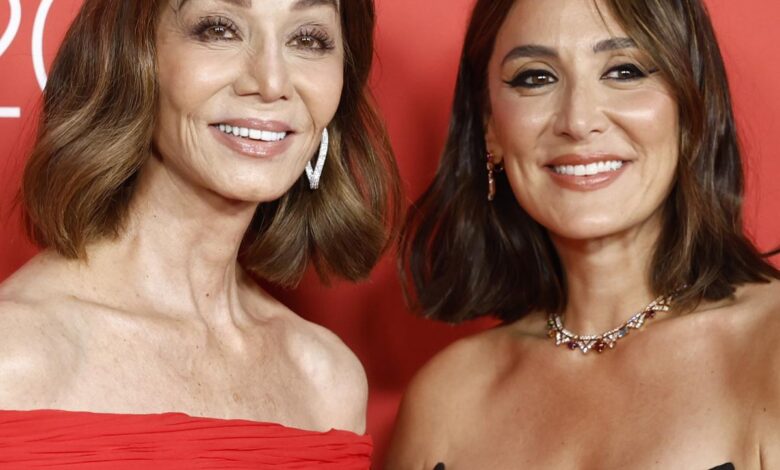
A notable trend has emerged in the world of Spanish high society and the royal family regarding fashion choices. The spotlight is on Tamara Falcó, marquesa de Griñón, and her mother Isabel Preysler. A recent photoshoot from their vacation in the Maldives showcased not only a family idyll but also a deliberate fashion move: mother and daughter posed in matching floral-printed wrap dresses from Catalan brand Babbaki. This choice is particularly remarkable as clothing from the same brand was previously favored by Infanta Sofía during the royal family’s summer holiday in Mallorca.
Such a coincidence is unlikely to be accidental. It creates a direct parallel with another headline-making event in the Spanish monarchy’s fashion scene. This refers to Princess Leonor’s decision to appear at a reception in the Palacio de Marivent wearing a Desigual dress previously worn by her mother, Queen Letizia, a year earlier. In both families—the royals and the Preysler-Falcó household—sharing or duplicating wardrobe items is seen as a symbol of continuity, close bonds, and mutual support between mother and daughter.
For Tamara Falcó and Isabel Preysler, who have held the status of “queens” of the social scene for decades, this gesture carries special significance. It’s not just a successful snapshot for social media but a carefully crafted message. By appearing in matching outfits, they emphasize the transfer of status and influence from mother to daughter. Isabel Preysler, the recognized matriarch of Spanish glamour, is thus symbolically passing the baton to her heiress, Tamara, strengthening her position in the public eye. This move demonstrates their ability to remain in the spotlight and manage their image.
Tamara Falcó’s desire to associate herself with the royal family is not new. It is part of her strategy to move from the category of celebrities to the ranks of the aristocracy, where she already holds a strong position thanks to her title. Notable examples include her outfits for the pre-wedding party and the wedding ceremony itself. For her engagement announcement, Falcó, following her stylist’s advice, chose a white pantsuit—a look that echoed Letizia Ortiz’s attire during her official engagement to then-Prince Felipe.
The marquise’s wedding dress, created by Wes Gordon for Carolina Herrera, also drew comparisons to Queen Letizia’s bridal gown by the designer Pertegaz. By deliberately choosing looks that recall key moments in the queen’s life, Tamara Falcó sends a clear message: her role model and source of inspiration is the upper echelon of society — the Spanish monarchy. In doing so, she is not simply following fashion trends, but crafting an image on par with royalty.