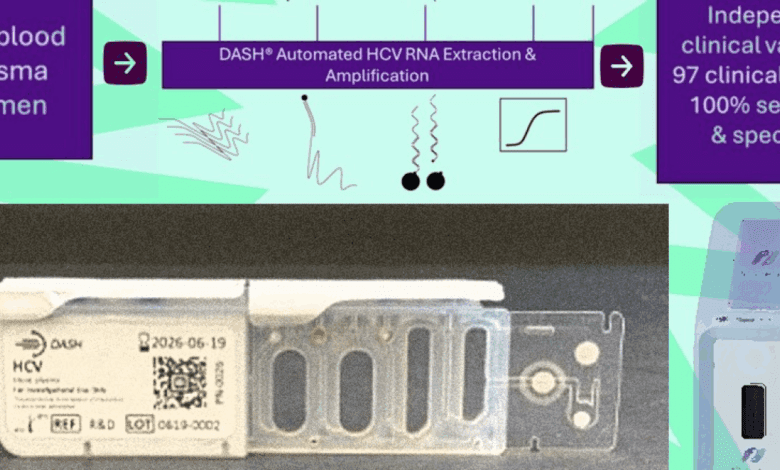
Spanish clinics have introduced an innovative rapid test capable of detecting hepatitis C in just fifteen minutes. Developed by an international team of researchers, this new advancement has already attracted attention from infectious disease specialists. Unlike traditional methods, which require a long wait for results, this test provides answers almost instantly—right during a doctor’s visit.
The Spanish medical community notes that such rapid diagnostics could have a significant impact on the fight against the virus. Previously, patients had to wait several days to learn their status, but now decisions about starting therapy can be made immediately. This is especially important for high-risk groups and those who rarely visit medical facilities.
Technology and advantages
The test is based on a unique system that can detect viral particles in a blood sample in record time. The developers claim its accuracy matches that of laboratory tests and, in some cases, even exceeds them in sensitivity. Conducting the test does not require complex equipment—just a minimal set of tools, making it accessible even in small medical centers.
Spanish doctors have already begun incorporating this innovation into their daily practice. According to them, it not only speeds up the diagnostic process but also reduces patient anxiety. Waiting for results often adds extra stress for people who suspect they may have an infection.
Impact on the healthcare system
Rapid diagnostics opens up new opportunities for the prevention and control of hepatitis C in Spain. Experts estimate that implementing this test will help detect the disease at earlier stages, when treatment is most effective. Moreover, reducing wait times for results decreases the risk of the virus spreading among the population.
In regions with limited access to laboratory services—such as rural areas or islands—the new test could prove to be a real lifeline. Medical teams will be able to conduct mass screenings right on site, without sending samples to major centers. This is especially relevant for the Canary Islands and remote areas of Andalucía.
Patient and doctor response
Patients who have already undergone testing note the convenience and speed of the procedure. Many admit they used to postpone visiting a doctor out of fear of long waits. Now, the process takes no longer than an ordinary appointment. Doctors, for their part, emphasize that the ability to start treatment immediately significantly increases the chances of recovery.
Infectious disease experts believe that the widespread adoption of rapid tests could change the country’s epidemiological situation. According to them, this will help reduce the number of undetected cases and prevent complications in patients.
Outlook and Next Steps
In the coming months, there are plans to expand the use of the test throughout Spain. The Ministry of Health is already considering including this new method in national diagnostic protocols. It is expected to lower disease incidence and improve patients’ quality of life.
Healthcare facilities are preparing to train staff to work with the new equipment. Negotiations are underway for the supply of tests to both public and private clinics. Experts are confident that such technologies will become the standard in the near future.
If you weren’t aware, Sally McFall is a leading expert in biomedical technology at Northwestern University in Chicago. Her team develops innovative solutions for rapid diagnosis of infectious diseases. Thanks to their efforts, rapid tests are becoming increasingly accessible to healthcare institutions worldwide, including in Spain.