In 2025, the scientific community found itself in the spotlight thanks to a series of breakthroughs with the potential to transform everyday life. Spanish researchers, along with their international peers, made significant contributions across key fields—from energy to medicine and artificial intelligence. This year, science has not only astonished, but also raised new questions for society, business, and government.
At the heart of discussions are the rapid rise of renewable energy use, personalized approaches to treating rare diseases, and the integration of large language models into scientific research. These topics have become not just trends, but essentials for the future of Spain and the world.
Powering a New Era
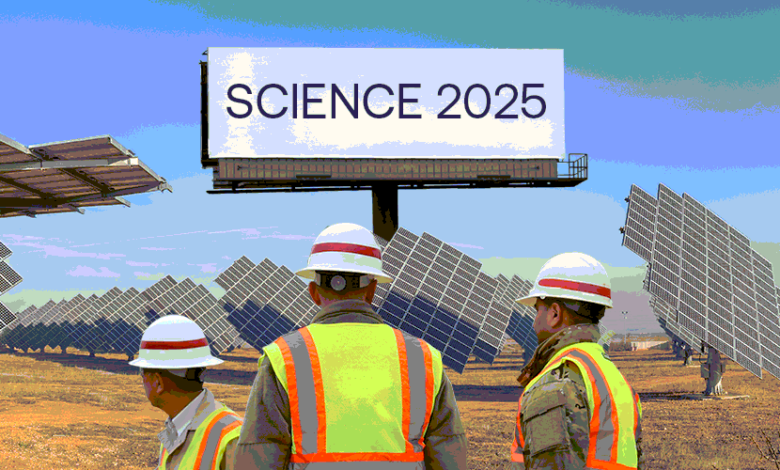
Spain is continuing to actively develop solar and wind energy, keeping pace with global trends. In recent years, the cost of producing electricity from renewable sources has nearly halved, making it more accessible to both businesses and private households. More than 40% of the country’s electricity now comes from solar and wind, and in some regions this figure exceeds 60%.
China still leads in the production of solar panels and components, but Spanish companies are expanding their own capacity and exporting technology to Latin American and North African countries. In 2025, the largest solar power plant in Europe was launched in Andalucía, and a new wind farm in Galicia is set to provide energy to more than 200,000 homes.
The government has announced plans to cut carbon dioxide emissions by 10% by 2030, a move aimed at bringing Spain closer to meeting the European Union’s climate commitments. At the same time, experts note that the transition to green energy requires not only investment, but also infrastructure upgrades and new energy storage solutions.
Genetics and Medicine
This year, Spanish geneticists participated in international projects to develop personalized treatments for rare diseases. One of the most notable examples is the successful use of gene therapy to correct congenital mutations in newborns. The first procedures using nanoparticles and CRISPR technology have already taken place in clinics in Madrid and Barcelona, resulting in significantly improved outcomes for young patients.
At the same time, Spain is conducting research into xenotransplantation—the transplantation of organs from genetically modified animals to humans. In Valencia and Sevilla, doctors are testing new methods to prevent immune rejection and developing protocols to extend the lifespan of transplanted organs. This year saw a record achievement: a pig kidney with 70 modified genes functioned in a patient’s body for over eight months.
Spanish biotechnology startups are actively collaborating with universities in the US and Germany to accelerate the introduction of new drugs and treatments. Special attention is being given to the development of antibiotics targeting resistant bacterial strains, an increasingly urgent issue amid rising infection rates.
Technology and Artificial Intelligence
Large language models like Gemini and GPT-5 became an integral part of scientific research in 2025. Spanish universities use them to analyze vast amounts of data, generate hypotheses, and even automate routine laboratory processes. In Barcelona, a team of young scientists leveraged AI to model complex chemical reactions and propose new routes for synthesizing pharmaceuticals.
In Madrid, artificial intelligence is used to forecast agricultural crop yields and optimize the operation of solar power plants. This year, Spanish specialists implemented AI in the national park monitoring system for the first time, enabling faster responses to climate changes and helping prevent environmental disasters.
However, there have also been challenges: the increase in scientific publications written with the help of language models has raised concerns about the reliability of data and the quality of research. The scientific community is discussing the need for new standards for article verification and peer review to prevent the spread of misinformation.
Discoveries and Challenges
Other major achievements this year include the launch of the LSST ground-based telescope in Chile, a project joined by Spanish astronomers. The new telescope provides unique data on the structure of the universe and allows for real-time monitoring of changes. In the field of archaeology, Spanish specialists participated in the analysis of ancient DNA extracted from dental calculus, helping clarify the origins of some findings in Eurasia.
In physics, Spanish scientists have made progress in the study of elementary particles: new measurements of the muon’s magnetic moment have helped refine parameters of the Standard Model. In the agricultural sector, experiments with heat-resistant rice varieties continue, which is especially important for the southern regions of the country suffering from heat and drought.
However, not all the news was positive. The scientific community is discussing cases of data falsification and misuse of AI to produce low-quality publications. Additionally, cuts in funding for certain research programs in the United States and Europe have raised concerns among Spanish scientists worried about slowing progress.
If you didn’t know, Ørsted is one of the world’s leading wind energy companies, actively operating in the European market and partnering with Spanish companies to develop offshore power plants. In 2018, the company launched the largest wind farm off the coast of Denmark and in recent years has been expanding its presence in Spain. Ørsted invests in innovative projects and supports the implementation of new technologies to reduce CO2 emissions. In Spain, the company is involved in building wind farms in Galicia and Andalusia, and also runs educational programs for young engineers.