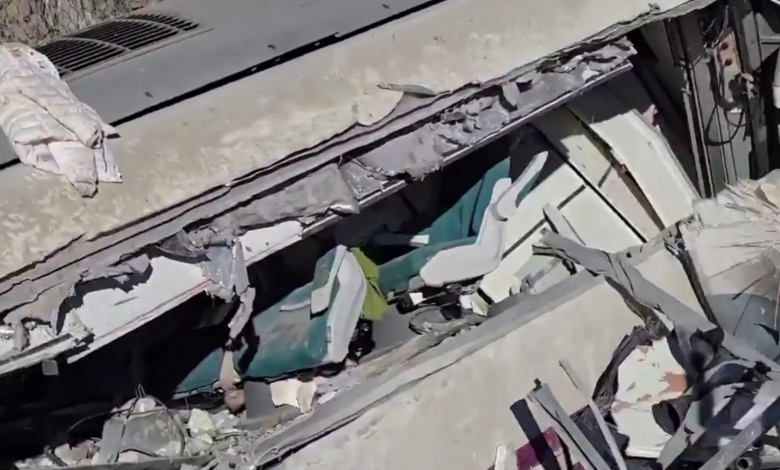
Tensions remain high in Andalusia over the tragedy that has shocked all of Spain. Following the derailment of two trains in Adamuz (Adamuz, Córdoba), the death toll continues to climb. So far, the deaths of 40 people have been officially confirmed, but the situation remains tense: rescuers have found three more bodies in the wrecked Alvia train cars, which have not yet been recovered. Crews are working nonstop to clear the debris as relatives of the missing continue to hope for a miracle.
The Córdoba Institute of Forensic Medicine has already received 37 bodies. Forensic experts have performed 23 autopsies to identify the victims. Meanwhile, new reports of missing persons keep coming in: the number has reached 43 and includes cases not only from Córdoba, but also from Madrid, Málaga, Sevilla, and Huelva. The passenger lists for both trains name 527 people—each representing a life and a story cut short in an instant.
Search efforts continue
Interior Minister Fernando Grande-Marlaska is personally overseeing the rescue operation. He confirmed that the three bodies, visually located in one of the Alvia train cars, remain trapped inside. Heavy machinery is being used to recover them: only powerful cranes can lift the mangled train cars and reach the deceased. The operation is complicated by the fact that the wreckage poses a danger to rescuers, and each minute of delay is an added ordeal for the victims’ families.
Forty-eight victims remain in regional hospitals, including 12 in intensive care. Five of the wounded are children. Medical staff are working at their limit, while anxious silence fills hospital corridors, broken only by the voices of relatives waiting for news. Authorities openly admit the situation is critical, but assure that everything possible is being done to accelerate identification and provide aid.
Challenges of Identification
The process of identifying the bodies is progressing slowly. Many victims suffered severe injuries, making the forensic work difficult. Relatives have to wait for hours outside the morgue, hoping for any scrap of news. The missing include people of all ages and professions, and each case requires an individual approach. Authorities urge patience, but emotions are running high—a mix of despair, anger, and hope hangs in the air.
At the same time, information about the passengers continues to be collected. Crisis centers have psychologists working to help families cope with shock. Officials promise that every complaint will be addressed, and that all aspects of the tragedy will be thoroughly investigated. Yet for many, the main concern now is to learn the fate of their loved ones.
Heavy Machinery and Sleepless Nights
Heavy machinery arrived at the crash site in the evening. A crane began lifting the carriages so rescuers could reach the bodies still trapped inside. The operation is taking place in total darkness, illuminated only by spotlights and camera flashes. Every fragment recovered brings fresh pain to those waiting for news. The efforts will continue throughout the night, and no one dares to predict when they will end.
The president of Andalucía, Juanma Moreno Bonilla, stated that regional authorities will provide all necessary support to the victims and their families. Officials have promised not only financial aid but also psychological assistance. However, no words can ease the pain of loss now being endured by dozens of families.
Anxious Waiting
Adamus is gripped by an atmosphere of anxiety and anticipation. The city is in a state of emergency: police patrol the streets, and ambulances and heavy equipment continue to arrive at the scene of the tragedy. Residents bring flowers and candles to an improvised memorial, while local churches hold services for the victims. Spain is once again facing a tragedy that has left no one indifferent.
The main priority now is to complete search and rescue operations and return the bodies to their families. But questions about the cause of the disaster and who is responsible are growing louder. The authorities have promised a thorough investigation, but for many, that offers little comfort. The night in Adamus has dragged on, and no one knows what the morning will bring.