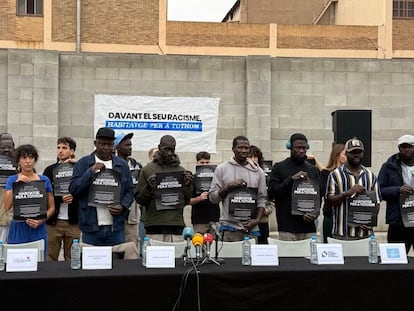
In the industrial zone of Badalona, on the outskirts of Barcelona, an unusual enclave has grown. Here, within the walls of a former educational institution, more than four hundred people from various African countries have been living for the second year in a row. Despite ongoing pressure from the local authorities, this place has become the only refuge for many.
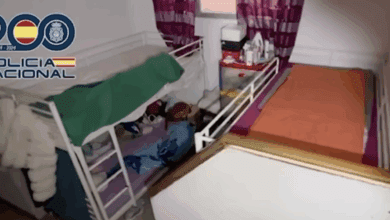
The building once stood empty, but after a series of tragic incidents and fires in neighboring warehouses, it began to attract those left without a roof over their heads. Over time, the space transformed into a mini-city: improvised rooms appeared, as well as electricity, water, and even a couple of small bars where neighbors gather. Inside, there is a unique atmosphere—with its own rules and representatives—and outside, you can find not only men but also women, children, and even a pregnant goat.
Life here is far from easy. Most residents work in low-paid jobs, some legally, others off the books. Finding housing is a major challenge—racial discrimination and a lack of documents make it impossible to rent even the most modest room. The area where the settlement is located is considered one of the most disadvantaged in the city, and there are simply no shelters for the homeless in Badalona.
Recently, the Catalonia court upheld the city council’s decision on eviction. The municipal authorities, led by Xavier García Albiol, are not prepared to make concessions. There are plans to set up a police station for the city and regional police on the site of the former institute. Meanwhile, the migrants themselves have filed a complaint against the mayor, arguing that his statements unfairly associate them with crime. They hope to achieve negotiations and receive alternative housing, but so far the authorities are not responding.
The police, incidentally, have long been acquainted with the residents of B9: sometimes helping to maintain order, sometimes just observing. The community itself faces plenty of challenges—from everyday conflicts to people with mental health disorders. Yet despite these difficulties, the settlement continues to grow. Some who have managed to find housing return here to support their neighbors.
As the cold season approaches, fears of eviction only intensify. People worry they will end up on the street without any support. For many, B9 is not just a temporary shelter, but their only chance to survive in Spain. For now, they stick together and have no plans to give up.