Carolina Marín’s decision to retire from professional sports has become one of the most talked-about events in Spanish badminton in recent years. For many fans and experts, this marks not only the loss of a leading athlete but also the beginning of a new chapter for the national team. At a time when Spain was just starting to strengthen its position on the international stage, Marín’s departure could shift the balance of power and impact the development of young players.
Marín announced her retirement at the age of 32 by posting a video address on social media. Her plans to return to the court in April at the European Championships in Huelva—where the arena bears her name—were disrupted by a serious knee injury sustained during the semifinal of the Paris tournament in 2024. This injury was her third major setback in recent years and ultimately forced her to end her career. According to RUSSPAIN, after undergoing surgery to remove a damaged meniscus in February 2025, her recovery was slow, and the pain prevented her from regaining her previous level of performance.
Journey to the top
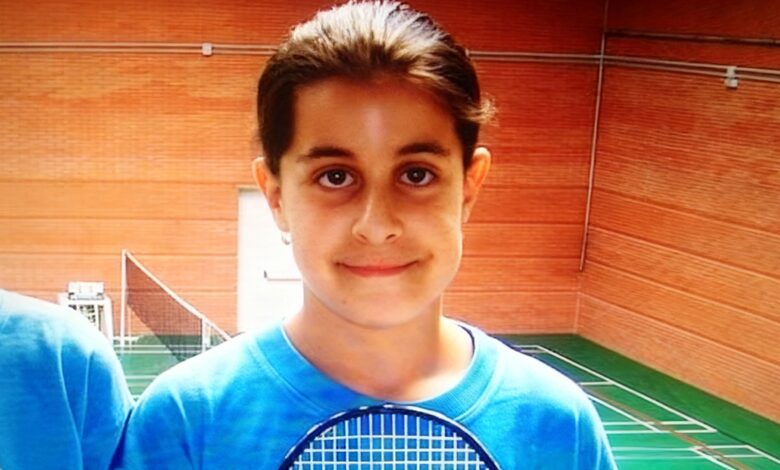
From a young age, Carolina Marín chose sports over the traditional flamenco of Andalusia, starting her training at the club Recreativo La Orden. By 13, she had become Spanish champion, and at 14, she moved to Madrid to continue her studies at the Blume sports residence. It was there that she began working with coach Fernando Rivas, who played a key role in her professional development.
Over the years, Marín has achieved unique results: Olympic gold at Rio de Janeiro 2016, three world championship titles (2014, 2015, 2018), eight European Championship victories, as well as success at prestigious international tournaments, including the All England (2015, 2024) and the China Open (2018, 2019). Her career was marked not only by victories but also by serious challenges: three severe knee injuries, each of which could have ended her time in professional sports.
Consequences for the sport
Marín’s departure from professional sports presents new challenges for Spanish badminton. In recent years, her success has drawn attention to the sport, promoted infrastructure development, and encouraged more young athletes. Now, the federation must seek new ways to support talent and build a team capable of competing at both European and global levels.
Marín’s impact goes beyond sporting achievements. Her national recognition is confirmed by prestigious awards: in 2024, she received the Premio Princesa de Asturias de los Deportes, and in 2025, she was honored with the AS Deporte en Positivo award. In May 2025, the Universidad de Huelva awarded her an honorary doctorate, recognizing not only her sporting merits but also her contribution to fostering new values among young people.
A personal decision and the future
In her farewell address, Marín emphasized that health and quality of life are more important to her than continuing her sports career. She thanked everyone who supported her along the way and noted that she will remain involved in events related to the European Championship in Huelva, though she will not compete on court. Her life motto, “Puedo porque pienso que puedo,” has become a symbol of resilience and inspiration for many young athletes.
Marín’s situation echoes other high-profile career endings in Spanish sports in recent years. For instance, in 2023, Rafael Nadal announced his retirement, which also sparked discussions about the future of tennis in the country. In 2024, basketball player Laura Nicholls made a similar decision, ending her career after an injury. These events highlight the importance of supporting athletes at every stage of their journey and the need to develop rehabilitation and post-career adaptation programs.