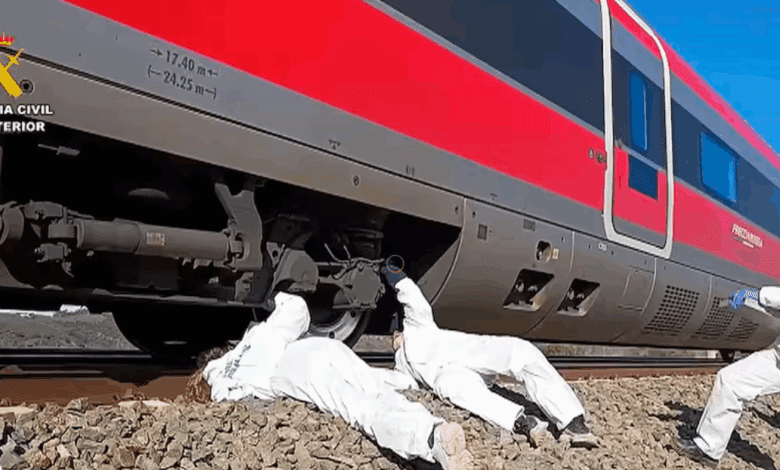
The investigation into the Adamuz rail disaster is focused on the sixth carriage of the Iryo train. It was the first to derail, causing the deaths of 41 people and shaking all of Spain. Investigators are cautious in drawing conclusions, but this carriage remains the starting point for uncovering the cause of the tragedy. A real drama is unfolding around it: while experts examine every inch, the carriage stays in place, a silent witness to what happened.
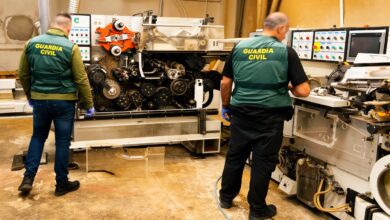
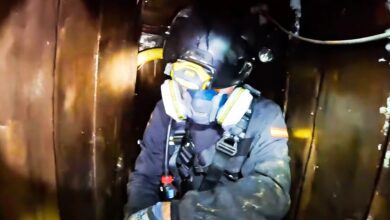
Officers from the Guardia Civil and forensic experts are literally lying on the ground, inspecting the undercarriage and checking the wheels. Their goal is to find the slightest trace that might explain why the train derailed on a straight section of track while moving at a speed lower than allowed. They are focusing on scratches, dents, and any damage that could be found on the wheels or rails. Any detail could hold the key to the mystery.
For now, the sixth carriage remains untouched until all necessary procedures are complete. This decision was made for a reason: investigators are cautious not to miss any crucial evidence. The Minister of Transport stresses that every detail matters—only this way can the full story of what happened be reconstructed.
Searching for evidence
Work at the scene continues around the clock. Experts don’t limit themselves to just external inspections: specially trained dogs are being used to search for traces and remains both inside and outside the carriages. Their task is to help identify the victims and collect additional evidence. Inside the carriages, a tense silence prevails, broken only by the handlers’ commands and the creak of tools.
At the same time, specialists are analyzing the condition of the rails and inspecting the other carriages that also derailed. Special attention is being paid to the running gear, as it may reveal whether there was a structural defect or if the problem lies with the railway track itself. Investigators aren’t ruling out any version, as the truth behind the tragedy that shocked the country is at stake.
Inspections of the first six carriages are expected to be completed soon. If no new victims are found, the train can be removed from the tracks. However, this does not mark the end of the investigation: some of the carriages, including the sixth, will be sent to Madrid for laboratory analysis. There, they will undergo extensive examinations capable of detecting even the slightest defects.
Technical details
The Railway Accident Investigation Commission (CIAF) has already requested data from the railway company on train movements two days prior to the disaster. This should clarify whether other trains experienced issues on this section. Special attention is being paid to the condition of wheelsets and rails—this is where the cause of the tragedy may lie.
The Ministry of Transport also conducted its own investigation: just 20 minutes before the crash, three other trains passed through this section. However, no signs of damage were found on the rails. This fact only deepens the mystery of the incident and forces experts to seek new explanations.
After inspecting the train cars, specialists will extract the so-called “black boxes”—devices that record the train’s movement parameters, the driver’s conversations, and other crucial information. These recordings could shed light on the final minutes before the disaster and help determine what actually happened.
Theories and Unanswered Questions
Investigators have already ruled out human error as well as faults in operations, signaling, and electrification systems. The focus is now on two main theories: either a rail break occurred or there was a defect in the train’s running gear. A combination of these factors is also being considered. Each scenario requires thorough investigation, as the findings will impact not only the outcome of the inquiry but also the safety of future passengers.
There are still more questions than answers. Why did the sixth carriage derail first? Was it an isolated glitch or the result of ongoing issues? Investigators are in no rush to draw conclusions, knowing that any mistake could prove costly. Weeks of forensic analysis and expert review lie ahead, which may finally reveal the cause of one of the deadliest rail tragedies in recent years.
As RUSSPAIN.COM previously reported, the tragedy in Córdoba claimed dozens of lives and shocked even seasoned experts. In our earlier article “Railway tragedy in Córdoba claims dozens of lives” we covered the initial details of the disaster and why it is being called unusual. The investigation is just beginning, and new details continue to emerge.