The issue of railway safety is once again at the forefront of national attention following the tragedy in Adamuz (Córdoba). For Spaniards, this is not just another accident—it is a matter of trust in the state, transparency in investigations, and the government’s accountability to its citizens. The families of the 45 victims insist: they want the truth, not political excuses. Their demands have become particularly pressing amid public statements from the Minister of Transport and responses from the country’s top officials.
Mourning and Protest
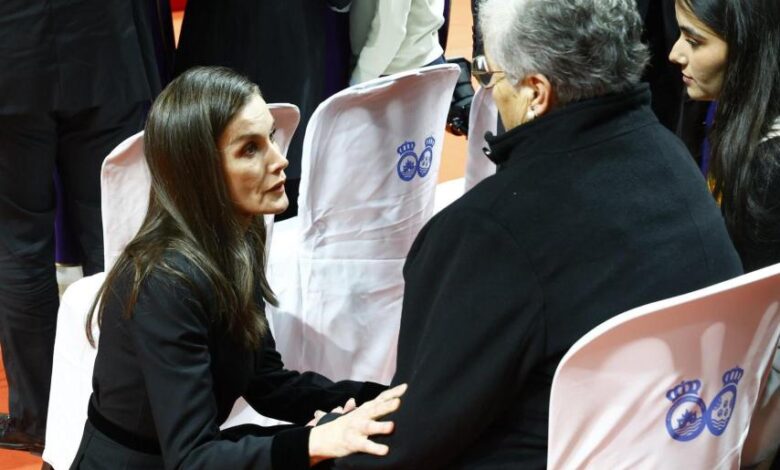
In Huelva, a farewell ceremony for the victims of the catastrophe was held in the packed Carolina Marín Sports Palace. The memorial mass, led by King Felipe VI and Queen Letizia, was marked by tension and emotion. Relatives of the deceased, many openly in tears, voiced their distrust of the official accounts. Speaking on behalf of all the families, Liliana Sáez, who lost her mother in the accident, emphasized that only the truth can ease their pain and prevent another tragedy.
The Bishop of Huelva, Santiago Gómez Sierra, also joined in the words of mourning. He called for a fair and transparent investigation so that the memory of the victims would not be forgotten and such disasters would not happen again. Senior church representatives were also present, giving the ceremony particular significance for believers across Andalusia.
Royal Support
The King and Queen of Spain, dressed in mourning, personally approached each family to offer their condolences and listen to their stories. Their presence was met with applause, and many relatives seized the opportunity to speak with them directly. Among the guests were also regional politicians, including the president of Andalusia, Juan Manuel Moreno, and opposition leader Alberto Núñez Feijóo. After the ceremony, Moreno told journalists that the families were seeking not only inner peace, but also full transparency in the investigation.
Unlike the royal couple and regional leaders, government representatives—Deputy Prime Minister María Jesús Montero and ministers Luis Planas and Ángel Víctor Torres—preferred to stay out of sight. They did not leave the guest tribune and even entered the hall through a separate entrance to avoid mingling with the main participants of the ceremony.
Politics and accusations
Transport Minister Óscar Puente delivered a sharp speech, rejecting accusations of insufficient oversight of railway safety. He called reports of infrastructure problems ‘fake news’ spread by political opponents and neo-fascist groups. According to him, such disinformation undermines trust in the state and plays into the hands of radicals.
Puente emphasized that the Spanish railway network is close to ‘zero risk,’ despite a rise in accidents and disruptions over the past two years. He also accused the opposition of trying to use the tragedy for political attacks, claiming their goal is to sow chaos and distrust among citizens.
Investigation and facts
During a discussion in the Senate, the minister admitted that the most likely cause of the accident was a rail fracture—either due to a welding defect or the material itself. He noted that similar incidents also occur on other European railways, but did not deny that the investigation should be as thorough as possible. Meanwhile, the head of the accident investigation commission stated that poor-quality welding was most likely the main reason.
Puente reported that in 2025 a ‘complete modernization’ of the line between Madrid and Seville was carried out; however, in reality only part of the switches were replaced and selected safety elements were updated. Out of 1.6 million sleepers on the route, only 71,000 were replaced. The minister also acknowledged that 30 billion euros had not been invested in the rail network, but blamed the previous government for this.
Public response
While the investigative commission has yet to publish its final conclusions, tensions over the tragedy remain high. Opposition parties are demanding the minister’s resignation, accusing him of concealing information and failing to ensure passenger safety. Meanwhile, members of the ruling party claim that all accusations are part of a political campaign against the government.
The families of the victims continue to insist on their demands: they seek honest answers and real changes to the safety system, not political infighting. Their voices are growing louder, and even the country’s most influential officials can no longer ignore them.