A new chapter has begun for Spain’s left-wing forces as four major organizations—Izquierda Unida, Más Madrid, Comunes, and Movimiento Sumar—have announced the formation of a coalition to counter the growing influence of the far right. This move could reshape the country’s political landscape, as public support for radical parties has risen sharply in recent years while traditional leftists face internal divisions and a loss of trust.
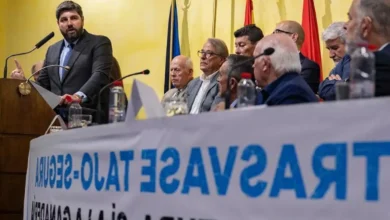
Gathering at Madrid’s Círculo de Bellas Artes, representatives from these groups declared their intention to work jointly to prevent further advances by the far right in both parliament and local governments. According to El Pais, the initiative stems from worrying trends: Vox and similar parties are gaining more seats, and their rhetoric is becoming increasingly prominent in public life.
A search for unity
This time, the focus is not on individual leaders, but on shared responsibility and the involvement of all organizations. Unlike in previous years, when charismatic figures like Pablo Iglesias or Yolanda Díaz took center stage, the current strategy emphasizes horizontal connections and collaborative work. Notably, the event featured no announcement of a single leader or a coalition name—the participants opted to concentrate on developing a common program and attracting new allies.
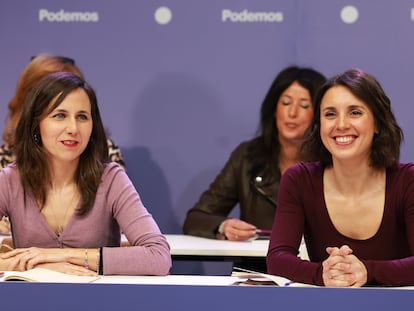
The absence of Yolanda Díaz, still regarded as the symbol of Sumar, raised questions. However, organizers explained this by their desire to give more space to the parties themselves. Meanwhile, Podemos refused to join the alliance, emphasizing its independence and criticizing colleagues for being overly focused on compromise.
Reaction and challenges
The discussion on uniting left-wing forces coincided with Gabriel Rufián’s proposal to create joint lists in certain regions to prevent competition among parties. This idea sparked lively debates since not everyone is ready to give up independence for a common cause. Nevertheless, most participants agreed that the priority now is to develop a strategy to win back voters’ trust and stop the further rise of the far right.
The hall brought together not only party leaders but also representatives of trade unions, civil society organizations, and cultural institutions. Among the guests were former ministers, activists, and even heads of major unions. This highlights the coalition’s ambition to become a truly mass movement capable of uniting different segments of society.
Context and consequences
The new coalition is not rushing to nominate candidates or form lists—the main focus now is to develop a common platform and attract new members. Organizers say that trips to the regions, meetings with citizens, and discussions of key issues concerning Spaniards are ahead. As Vox doubles its seats in regions like Extremadura and Aragón while traditional left-wing parties lose ground, this strategy appears to be an attempt to regain the initiative.
Interestingly, a similar trend is seen in other regions: for example, a recent article on RUSSPAIN.COM took an in-depth look at Vox’s strategy to gain support in small towns and examined why residents are increasingly choosing change—you can find more details in the analysis of Abascal’s campaign.
According to members of the new coalition, the left must not only reach internal agreements but also convince society of the need for change. In the coming months, a series of meetings and discussions are planned that will determine the future course of the movement. The role of Yolanda Díaz and other leaders remains unresolved, but most agree: the era of individual decisions is over, and only joint efforts can lead to success.
In recent years, Spain has become a stage for numerous political experiments and unexpected alliances. After the success of the 15-M movement and the rise of Podemos, left-wing parties have repeatedly tried to join forces to address new challenges. However, internal disagreements and leadership struggles have often prevented them from achieving sustainable results. As the far right gains popularity, as demonstrated by the latest regional elections, the issue of unity among the left has once again come to the forefront. Similar processes can be seen across other European countries, where traditional parties are seeking new forms of cooperation to maintain their influence and connection with voters.