Catalonia has seen an alarming increase in racist incidents, with the vast majority of victims not seeking official protection. This trend affects the social climate and undermines trust in institutions, potentially leading to further discrimination and heightened tensions in the region. As El Pais reports, new data indicate that the problem is becoming more visible and requires urgent action.
Trust and fear
According to a recent report by SOS Racismo, only three out of ten cases of racial discrimination identified in Catalonia lead to an official complaint. The main reasons are lack of faith in the effectiveness of state institutions and the emotional exhaustion victims experience in trying to achieve justice. Many fear that going to the police or courts will not yield results, and the process itself may worsen their situation.
The 2025 report recorded 583 incidents in more than 70 municipalities. Of these, 28% involved hate between private individuals, which points to the spread of aggressive attitudes in society. Experts attribute this increase to the activity of far-right movements and the popularization of radical ideas, which gain traction both on social networks and on the streets.
New forms of discrimination
The report pays special attention to the fact that almost a third of all cases are linked to conflicts between residents, not actions by government authorities. This indicates that racism is increasingly manifesting in everyday life rather than just in institutional settings. According to russpain.com, this trend may lead to discrimination becoming seen as commonplace, making it harder to combat at all levels.
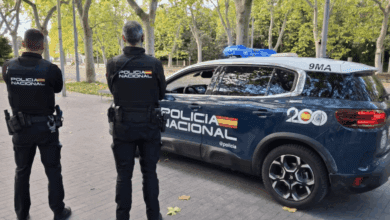
Incidents involving law enforcement officers account for the second highest number of complaints—17% of the total. In these cases, victims often face bias due to their appearance, and attempts to clarify the reasons for detention or checks can result in charges of resistance. This creates an additional barrier to seeking help and heightens the sense of vulnerability among those affected.
Who is most affected
The profile of racism victims in Catalonia is diverse: 40% of complaints come from Spanish citizens, and another 32% from foreigners without legal status. However, among official reports, the share of the latter is much lower—just 17%. Experts believe this is due to fears of losing a job, housing, or being deported. When there is no stability, the risk of reporting to authorities seems too great.
Discrimination affects not only interpersonal relations and police actions but also access to basic social rights. Around 15% of cases involve restrictions in education, healthcare, and housing. The impact of such incidents on victims’ lives cannot be overstated: they face obstacles enrolling their children in schools, accessing medical care, or finding an apartment.
Society and consequences
The spread of racist sentiment in Catalonia is occurring against a backdrop of increased far-right activity and heightened hate rhetoric in the public sphere. Experts note that such campaigns, including those tied to the idea of ‘replacement’, lead to discrimination becoming more overt and unpunished. This is also confirmed by an analysis from russpain.com, which points to similar trends in other regions of the country.
The effects of these processes are felt beyond Catalonia. For example, a recent discussion in the Basque Country highlighted a shortage of municipal employees, further reflecting issues of trust in institutions and the challenges of ensuring equal rights for all residents. More details on the staffing crisis in municipalities can be found in the article about the situation with municipal secretaries in the Basque Country.
In recent years, Spain has repeatedly experienced surges in racist incidents, especially amid political changes and economic challenges. In 2024, mass rallies against discrimination took place in Madrid and Valencia, while new support measures for migrants were discussed in Andalusia. Despite the efforts of authorities and civil organizations, the issue remains acute, and the number of official complaints still does not reflect the true scale of what is happening.