In the small town of Colmenar Viejo, north of Madrid, hope has resurfaced decades after the end of the Civil War. Families who lost loved ones during the years of repression are preparing for a long-awaited moment: the remains of those executed may soon be identified thanks to modern genetic techniques. For many, this is their first chance in a lifetime to learn where their relatives are buried—and finally say a proper goodbye.
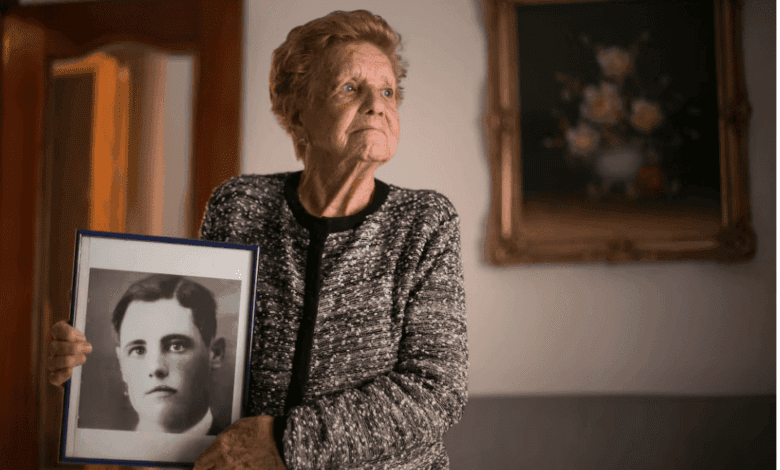
Benita Navacerrada remembers the day, she was just seven. She heard screaming in San Sebastián de los Reyes square and saw her father, Facundo, being loaded into an overcrowded truck along with other men. Eighty-six years have passed since then, but the memories remain. Her father, a founder of the local UGT union cell, was killed in nearby Colmenar Viejo. To this day, Benita does not know where his grave is and dreams of one day laying flowers on his true resting place.
Searching for names
In 1939, when the war was already over, 108 people—107 men and one woman—were executed in Colmenar Viejo. Over the past two years, the remains of 77 victims have been exhumed from mass graves, but only two have been identified. The other 75 bodies are now at the biology faculty lab of Madrid University, awaiting DNA analysis. Recently, the state allocated more than 114,000 euros for this work, giving families renewed hope.
Most of the victims were shot against the walls of the local cemetery. However, the fate of some, such as Benita’s father, remains shrouded in rumors and speculation. According to one version, he was burned alive, and his remains may not be in the mass grave. Benita recalls how her older sister tried to find their father’s body among the dead, but without success. Now, she hopes that science will help uncover at least a fragment of the truth.
Family stories
The Truth Commission in San Sebastián de los Reyes has collected around fifty DNA samples from the descendants of the victims. These samples will be compared with the remains to establish relationships. According to commission representatives, the process will be challenging: many bodies have lain in the ground for over eighty years, and not all have been well preserved. In some cases, moisture destroyed the DNA, but experts remain optimistic and hope to restore the names of at least some of the deceased.
For the families, this is more than just a formality. Esther Mateo, granddaughter of former town mayor Manuel Mateo, recalls how an unused bicycle frame stood in their home for many years—a symbol of an unfulfilled dream. Her grandfather was executed in October 1939, and the very next day documents arrived commuting his death sentence to a prison term. The family is convinced this was no accident. For Esther and her relatives, the chance to find her grandfather’s remains is an opportunity to honor his memory and, perhaps for the first time in many years, feel a sense of relief.
The weight of silence
For decades, many descendants of the victims knew nothing about the details of their family tragedy. Fear and repression forced people to remain silent about the past. According to researchers, most of those executed were connected to trade unions or leftist organizations. Some were so young they never had children, making it especially difficult to find their relatives today.
Daniel García, the great-grandson of one of the victims, first heard his family’s story only in 2018, when a memorial plaque was installed at the cemetery. It was then that his grandfather found the courage to talk about the tragedy that had been a taboo for so many years. For many families, this project is not just about searching for remains—it is also a chance to reclaim their right to memory and pride in their ancestors.
Hope for justice
Exhumation and identification work is ongoing. Families are waiting for analysis results that could change their lives. For them, it is not only about learning the truth, but finally being able to complete a mourning process that has lasted nearly a century. Every person found and identified is a small victory over oblivion and the fear that dominated these places for so long.