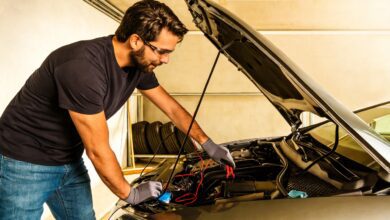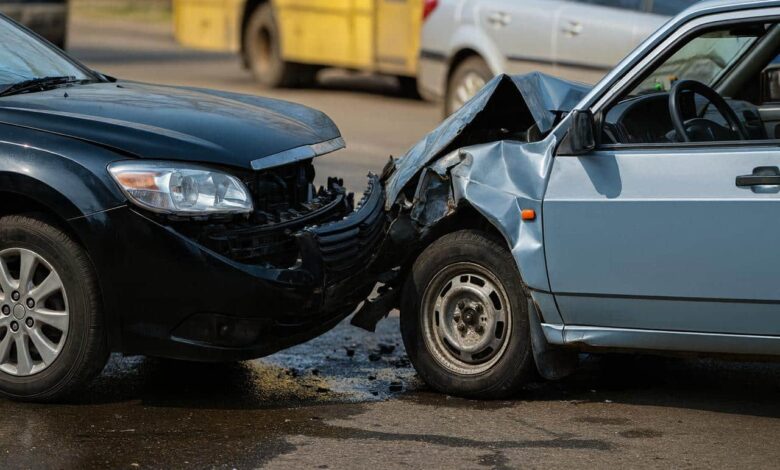
In recent months, insurance companies across the country have reported a sharp increase in claims submitted with photos of vehicle damage that turn out to be skillfully generated by neural networks. Advanced algorithms can now create images so realistic that even seasoned experts can’t always immediately tell a fake from a real photo. Online, services are popping up that offer to ‘damage’ your car in a picture for a small fee. These services are quickly gaining popularity among those seeking an easy way to claim insurance payouts without an actual incident.
Experts point out that fraudsters are increasingly targeting not just passenger cars, but also large vehicles, including trucks and specialized machinery. This is due to the fact that payouts for such cases are usually much higher than for ordinary passenger vehicles. As a result, insurance companies have had to tighten their internal checks and introduce new methods to verify images.
Self-Reporting Damage: A Loophole for Fraudsters
In recent years, insurers have actively adopted remote services that allow clients to photograph damages themselves and send the images for assessment. This practice speeds up the claims process but also creates favorable conditions for fraudsters. Using neural networks, scammers can ‘draw’ any damage onto a photo within minutes and then submit it to the insurance company as evidence of an accident.
As a result, the market is seeing a growing number of cases where insurance companies encounter fake images. To detect such fraud, additional analysis tools have to be used, including checking file metadata and comparing them to databases of real accidents. However, even these measures do not always uncover forgeries immediately, especially when fraudsters use advanced image generation technologies.
AI-generated legal documents: new challenges for the insurance market
In addition to fake photos, insurers are increasingly receiving pretrial claims drafted with the help of artificial intelligence. These documents often contain references to non-existent laws and regulations, as well as complex legal wording that complicates quick verification. Experts note that such claims can mislead even experienced lawyers, increasing risks for insurance companies.
In response to new threats, insurers are being forced to invest in developing their own artificial intelligence systems capable of detecting forgeries and analyzing legal documents for authenticity. However, experts warn that the technological race between fraudsters and insurance companies is only gaining momentum, and in the coming years the market may face even more sophisticated scams.
Outlook and Countermeasures
Amid rapid advances in neural networks and artificial intelligence, the insurance market is being forced to rethink its standard claim verification procedures. Companies are deploying new image analysis algorithms, stepping up control over remote services, and training staff to spot signs of falsification. Still, experts believe it is impossible to fully eliminate the risk of fake photos and documents, and urge clients to be especially vigilant when filing insurance claims.
In the near future, insurance companies will continue to enhance their security systems, and regulators may introduce additional requirements for loss assessment processes. At the same time, the increase in such fraud cases highlights the importance of promoting digital literacy among both the general public and insurance industry employees.