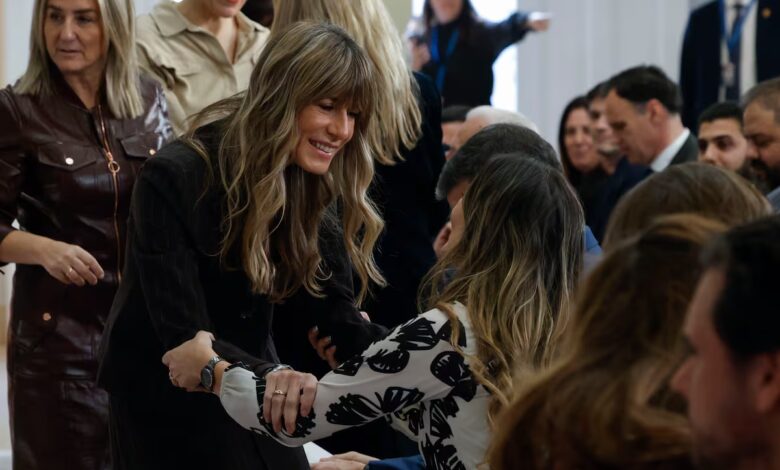
A sudden turn in the case involving the wife of Spain’s prime minister could impact not only those directly involved, but also the country’s entire judicial practice. The Madrid court’s decision to overturn the referral of Begoña Gómez’s case to a jury trial was unexpected and has already sparked debate among legal experts and politicians. For Spaniards, this means high-profile cases may now unfold in less predictable ways, further putting public trust in judicial proceedings into question.
According to El Pais, a panel of judges from Madrid’s provincial court found that Judge Juan Carlos Peinado’s decision lacked sufficient justification. In a document dated January 20, the court noted that the judge did not present any arguments explaining why the case needed to go before a jury. The judges emphasized that even minimal analysis was absent and the reasoning remained too vague.
Arguments of the parties
In September 2025, Judge Peinado informed the parties that part of the investigation related to possible embezzlement could be heard by a jury if the case proceeded to trial. By October, he had extended this approach to cover other alleged offenses, including influence peddling, business-related corruption, unlawful professional conduct, and misappropriation of funds. The defense for Begoña Gómez and the other defendants promptly filed an appeal, citing lack of concrete evidence and clear charges.
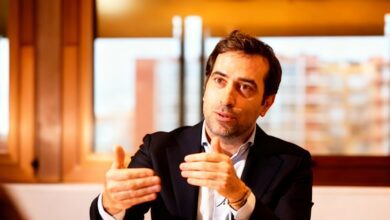
Begona Gomez’s lawyer, Antonio Camacho, pointed out that the case files contain no specific facts confirming his client’s guilt. According to him, the charges were based on general statements rather than actual evidence. The representative of another defendant, Cristina Álvarez, also noted that there is no information in the case regarding violations of official duties. The prosecution supported the defense’s position, stating that it found no evidence of a crime or any other violations.
Reaction and consequences
The Madrid court did not rule out that the case could be brought before a jury again in the future if new grounds emerge. However, for now, four rulings by Judge Peinado have been annulled at once, and the investigation has been sent back to the previous stage. This decision has sparked discussion within the legal community, as it could set a precedent for other high-profile cases in which charges are based on insufficiently substantiated materials.
Reflecting on other high-profile cases, it is worth noting that Spain’s Supreme Court was recently at the center of controversy over a claim for nearly 80,000 euros in legal costs. The prosecution considered this amount unjustified, and this decision could change the approach to similar cases in the country, as discussed in detail in the article about the dispute over legal expenses.
Context and trends
According to El Pais, overturning the decision on a jury trial does not mean the automatic closure of the case against Begoña Gómez. The judges simply returned the process to its previous stage to ensure a more thorough review and argumentation. Such situations are not new in Spain: in recent years, courts have increasingly demanded clearer and more substantiated evidence from investigators and prosecutors to avoid lengthy and contentious proceedings.
In recent years, Spain has seen more frequent cases where high-profile proceedings against public figures faced criticism over insufficient evidence or rushed judgments. For example, in 2024, several cases against officials and businesspeople were sent back for further investigation due to similar concerns about the strength of the charges. This reflects a trend towards stricter judicial standards and higher requirements for the quality of investigative materials. As a result, such court decisions have become an important signal to all participants in the country’s legal system.