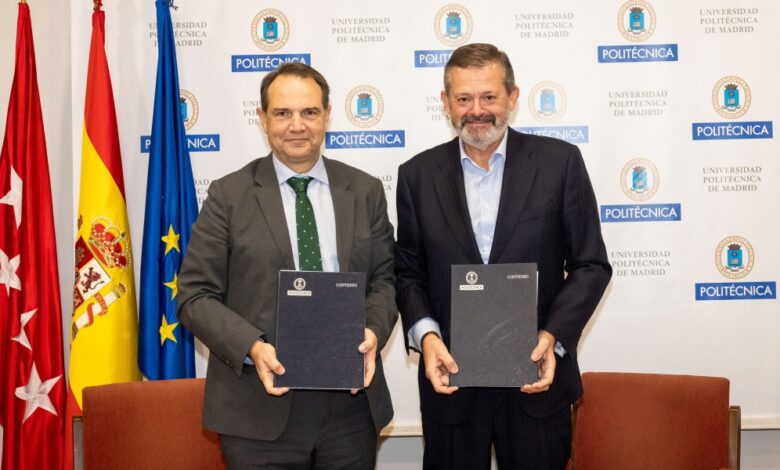
A new educational initiative has launched in Spain’s capital, aiming to transform the country’s approach to construction. Universidad Politécnica de Madrid (UPM) and the construction group Avintia have signed an agreement to create a joint department. The main goal is to accelerate the adoption of industrial technologies in the housing sector and train specialists capable of working with cutting-edge solutions.
A new collaboration format: university and business
The new department, established at two leading UPM schools—Architecture and Civil Engineering—will serve as a platform for sharing expertise between academia and industry professionals. Organizers emphasize that this is not a formality but a long-term partnership where both parties seek tangible results. The project will launch research programs, hold workshops and internships, and develop new courses tailored to the current market’s challenges.
Special focus will be given to the development of industrial building technologies. This approach not only speeds up construction, but also reduces costs, improves quality, and increases sustainability. Avintia is already implementing similar projects using its own “ávita” system, which has proven effective in practice.
Industrialization of construction: challenges and prospects
In recent years, Spain’s construction sector has faced a pressing need for renewal. Traditional methods are losing relevance, while demand for rapid-construction and energy-efficient homes is growing. This new department aims to drive change, bringing together scientists, engineers, and entrepreneurs. Its priorities include the introduction of digital tools, process automation, and the development of sustainable technologies.
According to UPM and Avintia representatives, this collaboration will not only accelerate the industry’s transformation but also create opportunities for training a new generation of specialists. Students will get access to real project cases, participate in developing innovative solutions, and gain hands-on experience at company sites. For business, it’s a chance to attract young talent and bring fresh ideas into production.
Social and environmental responsibility
The organizers emphasize that the project is focused not only on economic benefits. Ensuring compliance with sustainable development standards and reducing environmental impact remain key objectives. The department will launch initiatives aimed at reducing emissions, optimizing resource use, and improving building energy efficiency.
Particular attention is also being paid to the social mission. With a growing population and shifting housing demand, the industrialization of construction could address challenges of housing affordability and urban quality. New technologies will enable the creation of safer, more comfortable homes that meet modern standards.
Potential for the Entire Industry
Experts note that such initiatives could set a new course for the entire construction sector in Spain. Collaboration between the university and a major company opens opportunities to scale up successful practices, share knowledge, and build a unified professional community. In the long run, this may lead to new standards and accelerate the adoption of innovations nationwide.
The first results from the department’s work are expected in the coming months. Organizers promise to present reports on completed projects and share their experience of integrating new technologies into the curriculum and production practices.
As RUSSPAIN previously reported
Avintia Group is a prominent player in Spain’s construction market. The company specializes in large-scale residential and commercial real estate projects and is actively implementing innovative solutions in the construction process. Avintia’s proprietary ‘ávita’ system significantly accelerates building completion through the use of modular structures and production automation. In recent years, the company has delivered more than two thousand apartments, with another two thousand currently under construction. Additionally, Avintia is involved in a range of initiatives tied to sustainable development and digitalization of the sector. The group’s portfolio includes collaborations with leading universities, participation in international exhibitions, and the development of proprietary training programs for young professionals. This approach not only strengthens Avintia’s market position but also sets new benchmarks for Spain’s entire construction industry.