In 2026, Miércoles de Ceniza takes on special significance for the people of Spain. This date marks the end of the lively carnival festivities and the start of a strict period of preparation for Semana Santa. For many families and individual believers, it is not just a religious ritual, but a time when everyday life changes: new restrictions appear, and old traditions gain a renewed meaning.
This year, Miércoles de Ceniza is observed on February 18. From this day, Spaniards begin a forty-day period known as Cuaresma. During these weeks, it is customary to reflect on one’s actions, give up excesses, and focus on spiritual matters. Adults aged 18 to 60 are required to keep a strict fast, allowing only one full meal a day. Teenagers over 14 and adults must abstain from meat on Fridays, including all types and meat-based products.
Rituals and Symbols
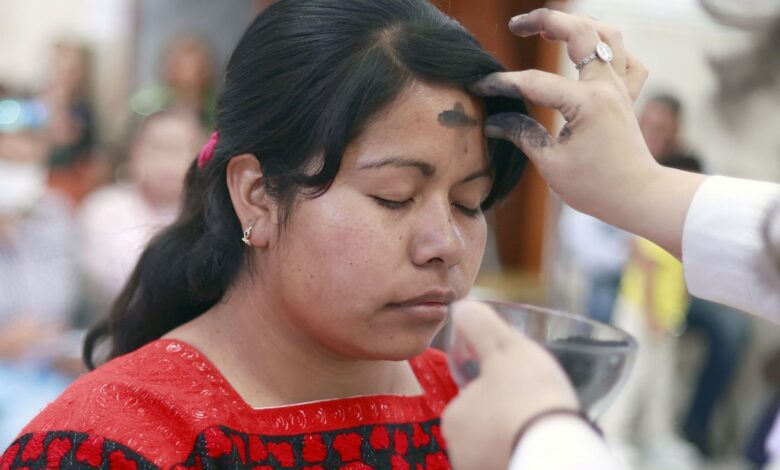
The central moment of Miércoles de Ceniza is the ritual of placing a cross of ashes on the forehead. This act takes place during the mass, when the priest or deacon recites words reminding of life’s fragility and the need for inner renewal. The ashes used in the rite come from the burned palm branches blessed at last year’s Domingo de Ramos. This symbolism highlights humility and repentance, as well as the reminder that all earthly things eventually fade away.
On this day, churches across the country fill with people who come not only for the ritual, but also to reflect on their own mistakes and take a step toward change. For many Spaniards, Miércoles de Ceniza is more than a religious date—it’s a reason for personal promises and new beginnings.
Historical Roots
The origins of Miércoles de Ceniza go back to ancient times. As early as the 4th century, Christian communities determined that preparation for Easter should last forty days. It was then that a special calendar calculation was introduced, allowing for the start of Cuaresma to be set between February 4 and March 10. In the 6th–7th centuries, the fast became particularly strict, and since fasting was not customary on Sundays, the count began on a Wednesday.
The tradition of sprinkling ashes on the head came from ancient Jewish customs, where this gesture symbolized repentance and the desire for spiritual cleansing. Over time, this ritual became firmly rooted in Christian practice and became an integral part of preparation for Semana Santa.
Significance for Modern Society
Today, Miércoles de Ceniza is regarded not only as a religious event but also as a key component of cultural identity. In Spain’s cities and villages, this day brings together people of different generations. For some, it’s a chance to recall family traditions; for others, it’s an opportunity to think about change. In recent years, more and more young people have been returning to these customs, seeing them as a way to find inner balance and reconsider their values.
In some regions of the country, new forms of celebration are emerging: charity events are organized, meetings for discussing spiritual topics, and communal meals with simple dishes are held. All this shows that Miércoles de Ceniza remains relevant in the 21st century, despite changes in society and lifestyle.
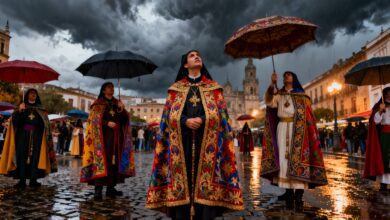
In recent years, Spain has seen a growing interest in traditional religious holidays. For example, Semana Santa in Andalusia attracts thousands of tourists and pilgrims every year, while small towns are introducing unique local rituals. In 2025, many parishes reported an increase in church attendance on Miércoles de Ceniza. Similar trends are observed in other European countries, where returning to roots is becoming a response to the challenges of modern times.