In 2026, Barcelona is once again in the spotlight thanks to the anniversary edition of the Moritz Feed Doc festival. This event holds significance for Spaniards as it not only reveals hidden aspects of the fashion industry but also raises issues relevant to society as a whole. Over ten years, the festival has become a venue for discussing not just trends, but also challenges related to labor, culture, and innovation in the world of fashion.
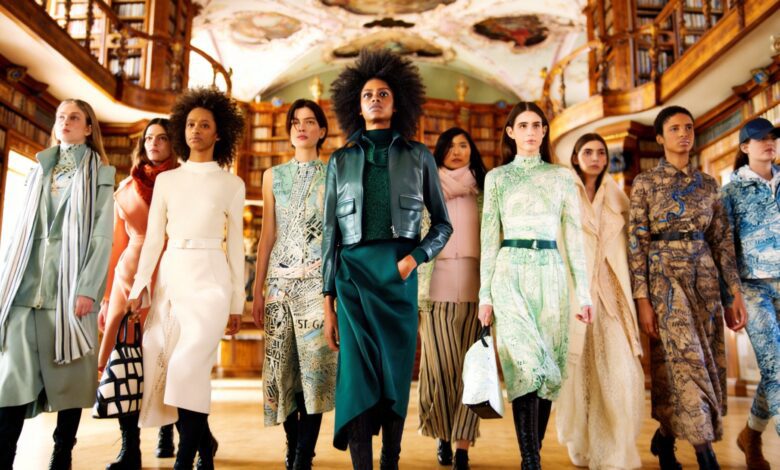
As El Pais notes, the festival’s tenth program opens with the film “AKRIS: Fashion With a Heritage,” a story about the Swiss family brand established in 1922. This is more than just a showcase of fashion collections; it’s an in-depth look at tradition, continuity, and the challenges faced even by the most established companies. The closing event will take place at Dhub, where viewers will watch the documentary “The Designer is Dead (Miguel Adrover),” focusing on the life and influence of one of the most unconventional designers of recent decades.
New formats and fresh names
From March 18 to 22, the Bosque cinema turns into a space where fashion meets film. The festival’s new director, Toni Sanchez, is focusing on expanding the formats: this year, the program includes student short films, feature films, and even a medium-length portrait of designer William Murphy Guitard, known for his unconventional views on fashion and identity. Special attention is given to the Catalan premiere of the film “Couture” starring Angelina Jolie, highlighting the event’s international scope.
A total of 38 screenings and 28 films await audiences, featuring not only documentaries but also fiction works. For the first time on the big screen, two episodes of the series “Kingdom of Dreams” will be shown, as well as a restored version of the classic film “Funny Face” starring Audrey Hepburn. This approach offers different perspectives on fashion—from its history to today’s challenges.
The unity of past, present, and future
The main theme of the anniversary Moritz Feed Doc focuses on the connection between generations and the search for balance between tradition and innovation. The program includes films about artisans preserving unique techniques, as well as young designers from Africa who are reshaping the future of the industry. The festival also addresses complex issues: several works highlight the problem of labor exploitation—a particularly relevant topic in Spain, where questions of ethics in fashion are becoming increasingly important.
A key part of the festival is a free exhibition at Casa Capell, which opened on March 19. It brings together ten young talents from Barcelona who are already shaping the face of fashion and cinema in the region. This approach not only supports new names but also fosters a dialogue between generations.
The professional community and the future
The organizers focus not only on spectacle but also on developing the professional community. The advisory board includes recognized experts who help shape the festival’s development strategy. This enables Moritz Feed Doc to stay relevant and respond to changes in the industry.
According to El Pais, the festival is becoming increasingly prominent on the European scene, with its influence extending beyond Barcelona. In recent years, interest in fashion documentaries has been growing, as seen in both the number of participants and the diversity of topics discussed.
In recent years, Spain and Europe have seen a surge of interest in festivals dedicated to fashion and culture. For instance, Madrid and Paris regularly host fashion weeks where discussions go beyond collections to include the social aspects of the industry. In Valencia and Milan, new show formats are emerging that bring together art, film, and design. These events serve as platforms to discuss pressing issues—from sustainable production to the role of women and young people in fashion. Analysis by russpain.com points out that such festivals support the development of creative industries and shape new cultural trends across Europe.