A sharp increase in fuel and electricity prices in Spain has once again sparked heated debate between regional and central authorities. Amid the ongoing conflict in Iran, which has already influenced energy costs, residents face additional expenses and businesses are seeing higher operating costs. For many families and businesses in Murcia, the consequences of these changes are particularly severe, prompting local authorities to demand immediate solutions from the Spanish government.
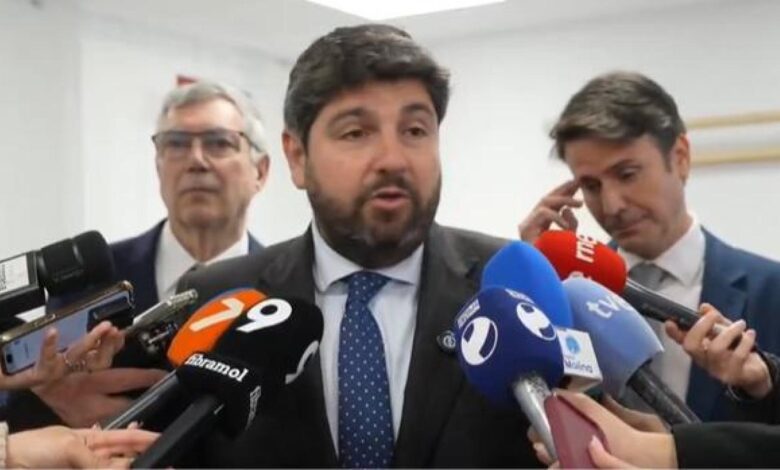
Murcia President Fernando López Miras is calling for a reduction of VAT on gas, electricity, and fuel from 21% to 10%. According to him, this would help partially offset the price increases, which have already reached 15 cents per liter for gasoline and 28 cents per liter for diesel. In addition, regional authorities propose adjusting the personal income tax (IRPF) to account for inflation in order to support purchasing power. Murcia officials believe these measures would help cushion the impact on the regional economy and ease pressure on small and medium-sized businesses.
Pressure on Madrid
Murcia authorities emphasize that they are acting within their powers by developing their own support measures for the most affected sectors. However, they note that key decisions rest with the central government. According to Fernando López Miras, the European Union has already provided member states with clear recommendations to reduce the tax burden on energy carriers to ease the situation for citizens. Despite this, Madrid has yet to present concrete steps, which has caused dissatisfaction in the regions.
During a recent speech at the opening of a new medical center in Molina de Segura, the head of Murcia expressed disappointment at the lack of response from central authorities. He pointed out that some ministers’ statements claiming that ending the war is the only way to lower prices appear disrespectful to Spaniards. According to the regional leadership, such comments do not address the real problems faced by families and businesses.
Economic impact
The rise in energy prices has already led to higher expenses for households and businesses across the country. This is especially noticeable in regions where a significant part of the economy relies on transport and logistics. In Murcia, where small and medium-sized businesses form the backbone of employment, the increase in fuel and electricity costs directly affects living standards and company competitiveness. Regional authorities fear that without support from Madrid, the situation could worsen and social tensions may rise.
In this context, the debate on tax reductions and adjustments to income tax has become especially relevant. As russpain.com notes, similar demands are being voiced in other regions of the country, where the impact of the conflict in Iran is felt just as strongly. Authorities in Murcia emphasize that they act in the interests of their residents, but achieving meaningful change will be difficult without coordination with the central government.
Background and response
The situation around Iran and its impact on the Spanish economy has already become a subject of national discussion. The country’s authorities are considering various response scenarios, including possible new sanctions and support for the most vulnerable groups in society. According to an analysis of the government’s latest decisions, finding a balance between regional interests and the need to maintain macroeconomic stability remains a complex challenge.
In recent years, Spain has already experienced sharp surges in energy prices caused by foreign policy crises. For example, in 2022, the rise in gas and oil prices following events in the Middle East led to similar demands from regional authorities. At that time, the government also considered temporarily reducing taxes and introducing subsidies for the sectors most affected. Such measures helped partially stabilize the situation, but long-term solutions still require coordinated action at all levels of government.