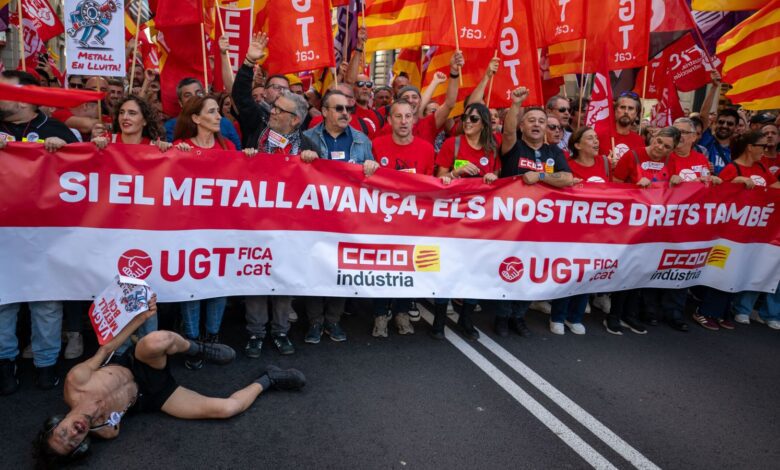
Barcelona is facing a new round of confrontation between trade unions and employers in the metallurgy sector. After prolonged and fruitless negotiations, union representatives have decided to hold new mass protests. In December, thousands of workers will again take to the streets to show their dissatisfaction with the progress of talks over working conditions and pay.
The escalation was triggered by a lack of progress in negotiations between the unions and the employers’ association. The two sides failed to agree on key issues related to compensation and salary bonuses. Employers insist on the ability to adjust additional payments, which is strongly opposed by union representatives. The unions consider such proposals unacceptable and demand that current guarantees be maintained.
As a result, two new strike dates have been scheduled for December, potentially affecting more than 200,000 workers across the province. Protests of this scale have not taken place in the region for many years. Previous actions led to major disruptions at factories, traffic jams, and temporary halts in production at several sites.
Escalation of the conflict and its consequences
The situation in the industry remains extremely tense. Despite attempts to engage authorities in dialogue, no compromise has been reached so far. Employers continue to insist on revising the payment system, while unions are unwilling to make concessions. This standoff has already led to several days of production stoppages, and it seems the conflict could drag on.
For Barcelona, this turn of events came as a surprise. In recent years, labor disputes in the metallurgy sector had been resolved without drastic measures. However, both sides are now taking a hard line, and the chances of a quick resolution appear minimal. If nothing changes, the region could face new waves of protests and economic losses.
Looking ahead: What’s next for the industry
Experts warn that a prolonged conflict could have a negative impact on the entire Catalan industrial sector. Mass strikes not only disrupt production processes but also undermine trust between workers and employers. At a time when the industry faces global challenges, such internal divisions may lead to reduced competitiveness and an outflow of investment.
Meanwhile, unions and employers are gearing up for another round of confrontation. Workers at Barcelona’s metallurgical plants are determined to defend their rights to the end, while business representatives are in no hurry to make concessions. In the coming weeks, the situation in the region will remain in the spotlight, as the outcome of this conflict will determine the future of one of Catalonia’s key economic sectors.