Barcelona’s summer music season takes on a new pace: the Barts Festival gathers crowds at Poble Espanyol for the first time, offering a fresh perspective on the format of urban concerts. This event holds significance for the city’s residents, as it not only introduces new names but also reshapes the structure of summer festivals, impacting the cultural life of the Catalan capital. The organizers focus on diversity and accessibility, which could mark the beginning of a new tradition for Barcelonians.
New artists and lineup
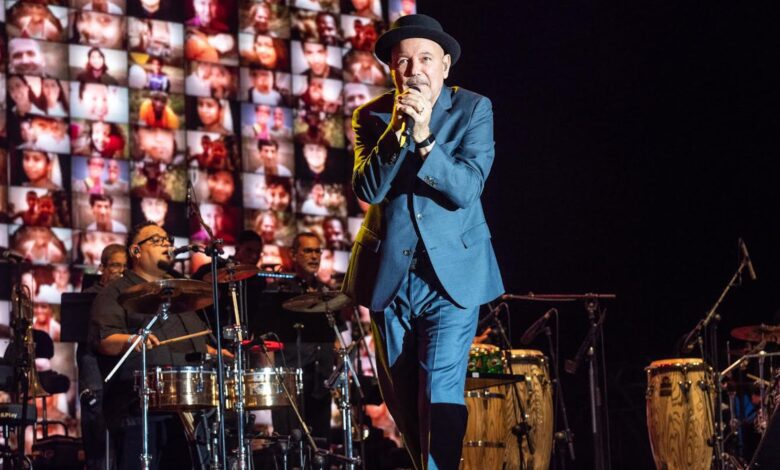
According to El Pais, Rubén Blades stands out as the main surprise in the Barts Festival lineup, which runs from June 28 to July 24. Sharing the stage with him will be Gipsy Kings, Babasónicos, Charlie Puth, Shinova, and Los Manolos, alongside previously announced Joan Dausà, Lax’n’Busto, Belle & Sebastian, ZZ Top, Biffy Clyro, M Clan, and Elvis Crespo. The festival opens with a concert by the supergroup Beat, featuring former members of King Crimson, as well as Steve Vai and Danny Carey, performing hits from the eighties.
Organizers from TheProject and SFMusic emphasize that the festival is designed for all generations and welcomes a broad audience. The program includes double concerts, such as Babasónicos with Silvestre y La Naranja or LP with Judith Hill. Already, 20,000 out of 96,000 tickets have been sold, and the venue contract is set for four years with an option to extend.
Changes at the venue
This year, Barts Festival takes over all of Poble Espanyol, which previously hosted Alma Festival. For attendees’ convenience, entrance will be from the rear of the complex to minimize noise for locals and create a unique atmosphere. Before the main shows, a special village area will host restaurants and feature performances by young artists on a separate stage, whose names remain a secret for now.
A key part of the presentation was the organizers’ nostalgia for the first concerts at Poble Espanyol thirty years ago, when legends like Miles Davis and Celia Cruz performed here. With the complex’s centennial approaching in three years, the organizers aim to highlight its uniqueness and comfort for summer events.
Festival market shifts
The emergence of Barts Festival is a response to industry changes: Alma Festival lost its venue, and its organizer Concert Studio is undergoing bankruptcy after losing the rights to host the Pedralbes festival, now renamed Les Nits de Barcelona and managed by Clipper’s. Alma Festival has yet to announce a new location in Barcelona, but its Madrid edition will take place from June 23 to July 8, with only one artist, Miss Cafeina, confirmed so far.
Meanwhile, TheProject, former manager of the Barts hall (now Paral·lel 62), is also ending its collaboration with the Porta Ferrada festival, which is now taken over by Events Musicals, the organizers of Cruilla and El Molino. Both TheProject and Clipper’s had applied in the tender for Porta Ferrada, but both withdrew their applications.
Trends and context
In recent years, Barcelona has become a venue for new formats of music events. Festivals in unique locations like Poble Espanyol attract not only locals but also tourists. A similar trend is seen in other Spanish cities, where smaller thematic festivals are pushing aside large mass events. For example, in Madrid, an ordinary hair salon has become a meeting place for musicians and flamenco fans, as detailed in the article about an unusual cultural center in the capital. Such events shape new cultural habits and broaden opportunities for artists and audiences alike.
Overall, the summer festival scene in Spain is undergoing a period of change: new organizers, venue shifts, and the emergence of fresh names are becoming the norm. This reflects a growing interest in diverse formats and a public eager to discover new musical experiences. In the coming years, even more unexpected announcements and changes in the traditional urban events calendar can be expected.