Catalonia launches the second phase of a large-scale initiative to create affordable housing, potentially changing the region’s approach to housing challenges. The program now includes not only vacant land but also buildings requiring major renovations. This is especially relevant for cities where finding new land for construction is nearly impossible. The new measure paves the way for the renewal of urban neighborhoods and an increase in social housing, which could impact the rental market and ease pressure on low-income families.
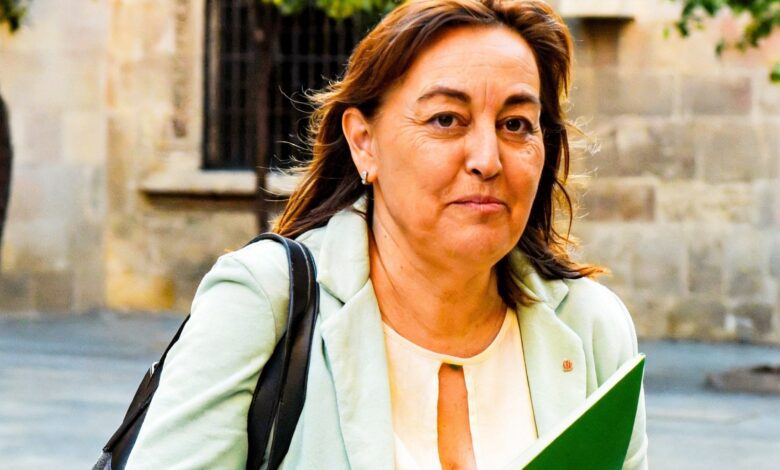
As El Pais reports, the Catalan government, led by Sílvia Paneque, has announced a second round of selection for properties to be built or restored with state support. The Illa Plan aims to create 50,000 new apartments by 2030, with a significant share offered at reduced rates. This time, not only new plots but also buildings previously excluded due to the need for substantial reconstruction are eligible. This decision could be crucial for cities where there is almost no available land.
Funding and conditions
A budget of 4.4 billion euros has been allocated for the project, covering the expenses for construction and renovation. Financing is provided on preferential terms through the Institut Català de Finances (ICF), and developers are granted long-term land leases for up to 75 years. The government guarantees that the housing will remain publicly owned, and rental prices will stay below market rates thanks to special subsidies. A quarter of the new apartments are reserved for young people, helping young families and professionals remain in the region.
Unlike the previous wave, which included only vacant plots, municipalities can now propose buildings that were previously excluded due to technical challenges. This will make it possible to involve properties in historic centers and densely built-up districts. According to El Pais, 670 sites were selected in the first wave, where around 22,000 apartments are planned. The second wave is open until June 15, and interest is expected to be even higher.
Impact on cities and the market
Including buildings in need of renovation in the Illa program could be critical for cities with limited room to expand. This will not only increase the number of affordable apartments, but also give a chance to modernize outdated housing stock. As a result, residents will have access to contemporary apartments in established neighborhoods, while local authorities can revitalize troubled areas without developing new land.
Authorities emphasize that participation in the program is open to public, private, and nonprofit organizations. This creates opportunities for competition and attracts investment, while also allowing for the use of expertise from various market players. According to russpain.com, such measures could serve as an example for other regions of Spain where the issue of affordable housing is particularly urgent.
Context and prospects
The implementation of the Illa plan runs in parallel with other initiatives to support the population. For example, Spain recently changed the rules for tax deductions for families and dental expenses, which also affects the financial situation of citizens. More details about these new conditions are available in the article on tax changes for families and medical expenses.
In recent years, Spain has seen growing interest in programs to renovate housing stock and promote state-supported rentals. Projects to refurbish old buildings to create affordable flats are already underway in Madrid and Valencia. In Barcelona, additional measures to encourage investment in social housing are under discussion. These initiatives show that a comprehensive approach to the housing problem is increasingly in demand, and Catalonia’s experience may be useful for other regions of the country.