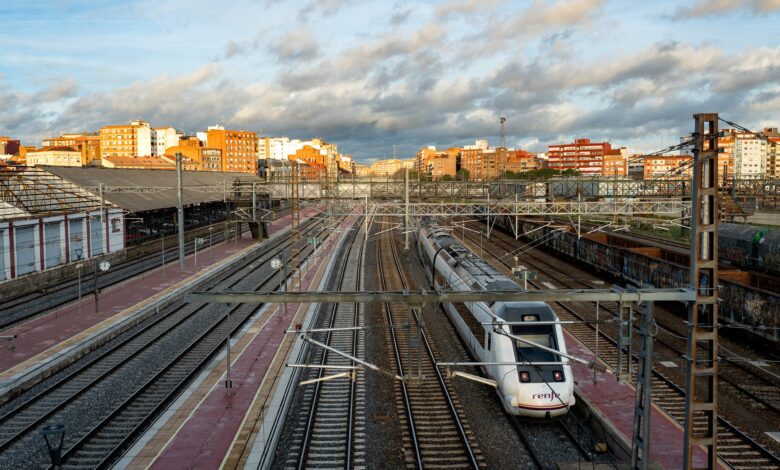
The issue of the railway tracks crossing Valladolid remains one of the most pressing concerns for the city’s residents. For more than four decades, seven kilometers of rails have literally split the city in two, affecting the development of neighborhoods and quality of life. Solving this problem impacts thousands of people and will shape what Valladolid looks like in the coming years.
The change of administration in the municipality in 2023 reignited the debate. After the Partido Popular and Vox coalition resurrected the idea of fully relocating the tracks underground—an idea previously rejected by the socialists—the city found itself in a state of uncertainty. Despite signed agreements and promises, neither option has been implemented over the past three years: neither integrating the railway into the urban environment nor large-scale tunneling. As reported by El Pais, residents continue to use both old and new crossings, while disagreements among politicians only intensify.
Debates and calculations
The issues of project costs and timelines have become central arguments in the debates among supporters of different approaches. The Ministry of Transport, citing technical reports, claims that building an underground railway would cost €2.8 billion and require up to 19 years of work, including a lengthy closure of the station. By comparison, integrating the railway into the urban environment is estimated at €1.6 billion and six years of construction, with some work already completed. The municipality offers its own figures: €565 million and the same six-year timeline, proposing to use the ‘slurry wall’ technology previously rejected by the Partido Popular back in 2002.
Residents of the neighborhoods divided by the railway see the situation differently. Many no longer trust the authorities’ promises and believe that major changes are unlikely. Some say they have already adapted to the existing crossings and are not expecting quick solutions. Others, on the contrary, insist on the need for radical change, arguing that only the underground option can eliminate the social and economic divisions between the districts.
The city and its residents
The impact of the railway on daily life in Valladolid is felt every day. Old and new crossings, tunnels, and bridges have become part of the urban landscape. In the Las Delicias district, residents cross the tracks on pedestrian bridges daily, while debates in Pajarillos center on how realistic the authorities’ promises really are. According to El Pais, many locals believe that the underground project is too expensive and complex to carry out, and integrating the railway into city infrastructure seems more feasible—even if it doesn’t solve every problem.
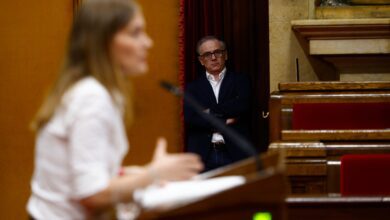
The political debate on this issue remains intense. Some accuse current mayor Jesús Julio Carnero (Partido Popular) of populism and a lack of real action, while others point to debts left over from previous attempts to tackle the problem. In lower-income neighborhoods, where support for left-wing parties is stronger, residents tend to favor integration over the costly tunnel solution.
Context and consequences
Valladolid’s situation is reminiscent of other major infrastructure debates in Spain, where political disagreements and financial calculations have slowed city development. The question of the railway’s future has become not only a technical but also a social issue—one that influences elections and resource allocation. Locals note that after decades of discussion, not a single solution has satisfied all parties.
In other cities across the country, transportation projects have also sparked controversy and protests. For example, recent mass demonstrations and road blockades in Madrid caused major disruptions, as covered in detail in the report on transportation changes in the capital — details on how the protests affected Madrid’s transportation system.
In recent years, Spain has repeatedly discussed projects to integrate railways into urban environments. In Barcelona and Valencia, partial solutions have been implemented, improving connections between districts and reducing noise levels. However, in most cases, such projects require substantial investment and lengthy coordination between various levels of government. In Valladolid, the situation is complicated by a history of failed attempts and political rivalry, leaving the prospects for a final resolution still unclear.