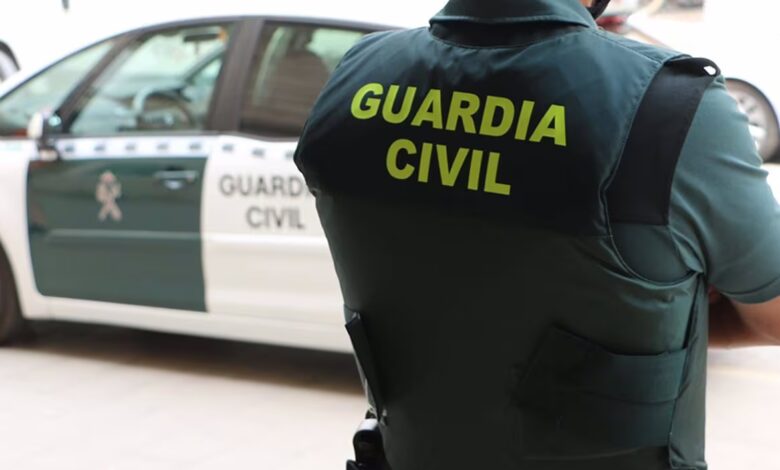
In the small Andalusian town of Marchena, home to just under twenty thousand people, Civil Guard officers carried out an operation that shocked the local community. As a result of their actions, 14 women were freed after being held in conditions close to slavery. All of them were working in olive harvesting without legal status in Spain and were subjected to constant pressure and threats.
The investigation began after an anonymous tip in early October reported that a woman might be held against her will. This message became the starting point for a wide-scale inquiry that soon uncovered an entire criminal scheme. It turned out the organizers were bringing women from Eastern European countries, promising steady work and decent conditions. However, upon arriving in Marchena, the reality was entirely different.
The mechanism of enslavement
The women were immediately confronted with a demand to repay a debt of €2,000, which only grew larger each week. This debt became a tool for complete control, making it almost impossible for them to escape the trap. The new workers had their documents confiscated, and any attempt to resist was met with threats and physical violence.
The workdays were endless, and the promised wages were much lower than agreed. The organizers did not hesitate to use force to break the victims’ will. They were told that if they tried to run away or complain, they would face something even worse — sexual exploitation in Germany.
Living conditions
In addition to grueling labor, the women were forced to live in extremely harsh conditions. The house where they were kept did not meet any sanitary or living standards. Lack of basic amenities, overcrowding, and unsanitary conditions became part of their daily reality. Two of the victims suffered not only physical but also sexual abuse at the hands of one of the members of the criminal group.
All of the suspects, as it turned out, also came from Eastern Europe. Their actions were carefully planned: tight control over the victims, constant threats, and complete isolation from the outside world. The women had virtually no opportunity to seek help or even leave the house without permission.
Arrests and aftermath
During the operation, which concluded in early November, six individuals were detained. They were charged with human trafficking, forming a criminal organization, and violating labor rights. All have already been handed over to the court.
The operation was made possible thanks to the coordinated efforts of the EMUME unit, part of the Judicial Police of the Guardia Civil in Sevilla. Over a month of surveillance, officers gathered evidence confirming not only exploitation but also systematic abuse of the women.
Public reaction
The story has sparked widespread public outcry in Andalusia and beyond. Local residents are shocked by the scale of the crime and the fact that something like this could happen in their city. Authorities have promised to strengthen oversight of seasonal work and the labor conditions of migrants to prevent similar incidents from occurring again.