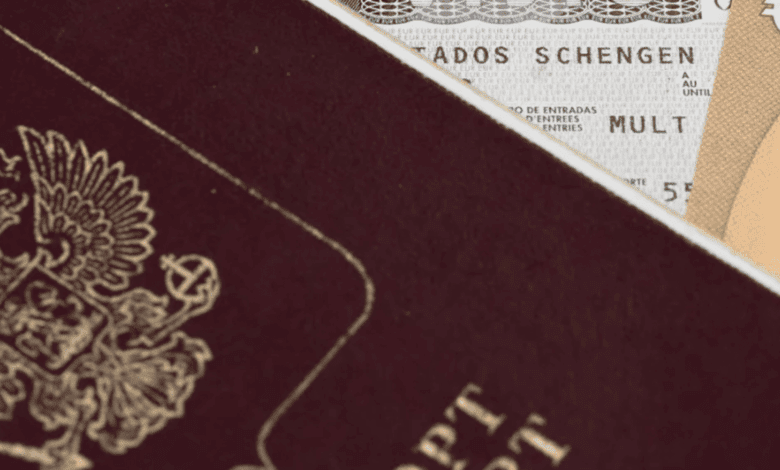
Starting October 12, Spain has officially switched to a new border control system at the external borders of the Schengen Area. Now, when crossing the border, all non-EU citizens are required to provide fingerprints and have their photograph taken. This requirement applies to Russian nationals as well as travelers from other non-EU countries.
Authorities note that the implementation of the biometric system is aimed at strengthening security and improving the effectiveness of border controls. The new rules are designed to simplify the identification of people entering and leaving, as well as to minimize the risk of illegal border crossings. For citizens of third countries, including Russia, this means additional procedures each time they visit Spain or transit through its territory.
Biometrics at the border
Collecting biometric data has now become a mandatory part of border control. Upon entry and exit, officials check documents, scan fingerprints, and take a digital photo. This information will be stored in a special database, allowing authorities to track movements and prevent possible visa violations.
Russians planning trips to Spain are advised to obtain a next-generation international passport in advance. This type of document speeds up border control procedures and reduces the likelihood of delays at the border. Without a biometric passport, the process may take more time and could lead to additional questions from border officials.
Visa changes
Spain has recently tightened its visa requirements for Russian citizens. Now, even for transit flights through Spanish airports, a visa is required. This rule applies regardless of the final destination and affects everyone using Spain as a transit country.
The introduction of biometric controls is another step toward stricter visa regulations. According to experts, these measures can be seen as indirect pressure on Russian citizens, pushing them to switch to modern documents and prepare for trips in advance.
What travelers should do
Those planning to visit Spain or travel through its territory should carefully review the new requirements. In addition to standard documents, travelers are now required to undergo biometric data collection. This applies not only to tourists, but also to those traveling for business, study, or to visit relatives.
Travelers are advised to check the latest entry requirements in advance and stay informed about changes in visa policies. If you have any questions at the border, it is important to remain calm and follow all instructions given by border control officers.
If you weren’t aware, Spain is among the countries actively implementing advanced border control technologies. The biometric system increases security and streamlines the identification process. For Russian citizens and other third-country nationals, this means being prepared for new procedures when crossing the border. A next-generation biometric passport significantly simplifies the control process and reduces the risk of delays.