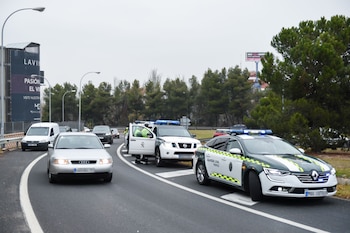
In 2025, a major campaign to strengthen vehicle inspections was launched on Spanish roads. Traffic officers no longer limit themselves to standard document checks — they now thoroughly inspect glove compartments and other storage areas inside cars. This new measure has sparked much debate among drivers, as keeping certain items can now result in hefty fines.
The main goal of the new measures is to improve safety on highways and prevent the transportation of dangerous items. During inspections, officers pay attention not only to driving licenses and insurance but also to what is kept in the glove compartment. If knives, brass knuckles, unauthorized weapons, or even ordinary tools that could be considered potentially dangerous are found, the owner faces serious penalties.
The fines are steep: the minimum penalty is 601 euros, and in particularly severe cases, it can reach up to 30,000 euros. Spanish law strictly regulates which items may be carried in a vehicle. The harshest penalties are imposed for possessing firearms without a license, as well as for any items that could be used for attack or self-defense without proper authorization.
Drivers are advised to regularly check their glove compartment and remove anything that might raise suspicion from inspectors. Even multi-tools, screwdrivers, or other equipment, if not included in the standard car kit, are better kept at home or in the trunk to avoid misunderstandings.
Special attention is also paid to having a V-16 emergency light. Starting in 2026, it will be mandatory for all vehicles, and inspectors are already checking if it’s in the car. Not having this device could lead to a fine. It is recommended to keep it in the glove compartment or another easily accessible spot, so you can quickly mark your car on the road if it breaks down.
Documents are also under scrutiny: lack of a valid inspection certificate, driver’s license, or registration is grounds for a fine. Even though digital versions of these documents are officially allowed, inspectors advise carrying the paper originals—they speed up checks and reduce the risk of confusion.
Overall, the new rules are designed to make drivers more disciplined and roads safer. However, many point out that such strict measures demand extra attention and responsibility from anyone behind the wheel. Check your belongings before setting off—this will help you avoid unpleasant surprises and save not just money, but also peace of mind.