Spain’s railway network is once again under scrutiny after the Adamuz tragedy, where a collision between two trains claimed dozens of lives. The repercussions are already being felt on one of the busiest routes in the country—between Madrid and Barcelona. Trains will now have to travel at significantly reduced speeds along a 150-kilometer stretch. This measure follows the discovery of widespread track issues that had previously been overlooked or kept quiet.
Internal documents from the railway company confirm that the section between Mejorada del Campo and Alhama de Aragón (from kilometer 34.8 to 182.9) is considered problematic. Not only have rail defects been detected here, but also dangerous spots inside tunnels and other infrastructure elements that have raised concerns among train drivers. In recent months, they repeatedly reported vibrations and technical issues, but their warnings went largely unanswered.
A forced measure
Train speeds on this section are now capped at 160 km/h—almost half the design speed for modern high-speed trains. For passengers, this means not only lost time, but also growing doubts about the safety of rail travel. Preliminary estimates suggest journey times will increase by around 40%. For many, this will come as an unpleasant surprise, especially after the promises made about expanding high-speed corridors.
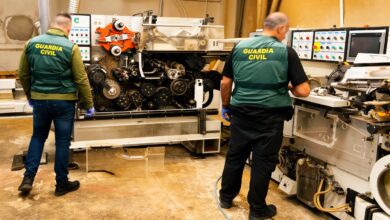
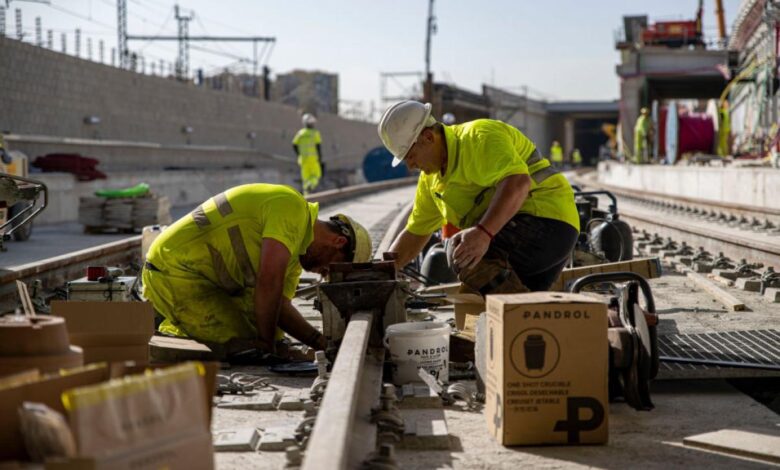
The restriction has been announced as temporary, but there is no timeline for its removal. In the coming days, specialists will conduct an additional inspection of the tracks to determine whether it is possible to restore previous speed limits. However, even if the restrictions are lifted, concerns about the quality of railway infrastructure maintenance will remain.
The aftermath of the tragedy
The high-profile accident in Adamuz became a catalyst for large-scale inspections across the country. On that fateful day, an Iryo train derailed, and soon after, an Alvia train crashed into its carriages. At least 41 people were killed, with dozens more injured. The causes of the disaster remain disputed: the incident occurred on a straight section of track at a speed below the allowable limit. This has sparked a wave of suspicion regarding the technical condition of the railway lines.
Train drivers operating routes through Adamuz had reported issues with the tracks months before the tragedy. Their complaints concerned not only this section, but other lines as well—particularly those leading to Sevilla and Valencia. Drivers’ unions have repeatedly raised the alarm about vibrations and equipment wear that could lead to accidents.
The voice of the train drivers
Railway industry professionals have repeatedly warned that ignoring technical issues could lead to disaster. Throughout 2025, the SEMAF union sent dozens of requests demanding speed limits on several sections where dangerous vibrations and other defects had been recorded. However, until recently, these warnings failed to prompt real action.
Now, after the tragedy, the situation has changed. The speed limit imposed on the key stretch between Madrid and Barcelona is the first major step taken after the accident. But train drivers are convinced that unless systemic repairs and track upgrades are undertaken, similar incidents are bound to happen again.
A test for the system
Questions about the state of Spain’s rail infrastructure have been building for years. Issues with vibrations, rail wear, and technical malfunctions have been reported not only on the Madrid-Barcelona route but also on lines linking the country’s largest cities. Passengers used to high-speed trains now have to deal with delays and uncertainty.
The decision to reduce speed is a necessary measure, but it underscores one point: passenger safety must come first. Warning signs can no longer be ignored. Spain’s railway system is facing a major challenge, and how quickly and effectively deficiencies are addressed will determine the trust of millions.