In recent weeks, Madrid’s gastronomic scene has noticeably shifted: three new venues have caught the attention of locals and visitors alike. Their arrival marks a significant event for the capital, where it’s traditionally hard to stand out amid constant openings and fleeting trends. As El Pais notes, these restaurants do more than ride the wave of social media fame—they offer honest cuisine, thoughtful service, and fresh approaches to familiar formats.
At a time when the city slows down during holidays and residents have more time to choose, such places become especially sought after. They not only offer an alternative to noisy, crowded spots but also set new standards for quality and ambiance. Each of these projects is changing the perception of urban dining in its own way, focusing on details often overlooked in an era of digital noise.
Insurgente: the market as a stage
Insurgente (Calle de Alonso Cano, 10) is located right inside Mercado de Chamberí, which already sets it apart. Here, ambitious cuisine is combined with an informal approach and affordable prices. The project is led by Genaro Celia and Agustín Mikilevich, who have infused Latin American flavors but avoid strict boundaries and labels.
The Insurgente menu stands out for its maturity and depth: new dishes, such as their signature tiradito or the eggplant creation inspired by an internship in London, are seamlessly served alongside crowd favorites. A key part of the concept is the market itself, not just as a backdrop but as a defining element of the restaurant’s identity. The average bill here ranges from €20 to €35, which is rare for this level of cuisine in Madrid.
The Insurgente team continues to grow, forming new partnerships while staying true to its core idea — high quality at a fair price. This approach has already caught the attention of not only regular market-goers but also those seeking fresh dining experiences without unnecessary pretension.
Caja de Cerillas: a return to simplicity
Another notable project has opened in the Chamberí neighborhood — Caja de Cerillas (Calle de Donoso Cortés, 8), recently named Spain’s best new restaurant by Tapas Magazine. With only eight tables, reservations are now required. The main idea is to reimagine everyday cuisine, spotlighting familiar flavors and a homely atmosphere.
Unlike many contemporary spots aiming to impress with elaborate concepts, the Caja de Cerillas team focuses on simplicity and comfort. Guests note that the restaurant feels welcoming, like home, and the dishes delight with rich flavor and skilled preparation. Despite the apparent simplicity, the kitchen relies on advanced technique and close attention to detail, reflected in the average bill — from €65 to €75.
The restaurant’s success is evident in its steady stream of visitors and positive reviews. This approach to gastronomy is increasingly in demand in Madrid, where locals value not only novelty but also authenticity in presentation.
Villaroy’s: a family story to go
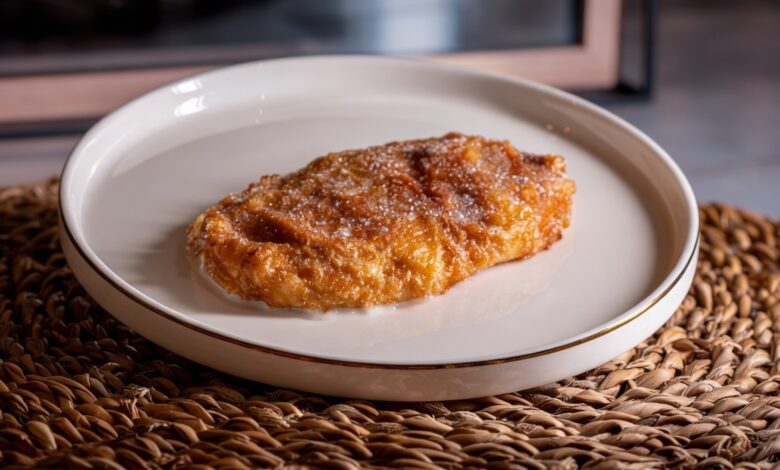
Villaroy’s (Calle de Hernani, 52) is an example of how a personal story can become the foundation for a successful business. The project grew out of a family recipe for pechuga Villaroy, which belonged to the grandmother of Martín Martínez Villamor. The menu originally featured just four versions of this dish, but over time it expanded to include traditional Spanish items such as tortilla, croquetas, and other familiar flavors.
The concept is as simple as possible: there is no dining hall or waitstaff, and all dishes are prepared to go. This approach helps maintain direct contact with patrons and fosters an atmosphere of trust. The average bill is around 15 euros, making Villaroy’s accessible to a wide audience.
Amid growing competition among Madrid’s gastronomic ventures, Villaroy’s stands out for its authenticity and attention to detail. According to El Pais, it is precisely these small establishments that shape the city’s unique character, staying outside the mainstream trends.
Context and Trends
In recent years, Madrid has experienced a true gastronomic boom: new formats are emerging, while traditional establishments are rethinking their approach. In 2025, several small restaurants gained national recognition, and interest in local products and family recipes continues to grow. According to russpain.com, residents of the capital increasingly choose places with a clear concept and transparent pricing. Projects such as Insurgente, Caja de Cerillas, and Villaroy’s exemplify how quality, affordability, and individuality can be combined even in a highly competitive environment.