The switch to daylight saving time in Spain in 2026 coincides with one of the most significant periods for residents of Andalusia — the start of Semana Santa. During the night of March 28 to 29, clocks will move forward, affecting not only daily routines but also the organization of large-scale religious events. For many people in the region, this means less nighttime rest during the most crucial moment of the year.
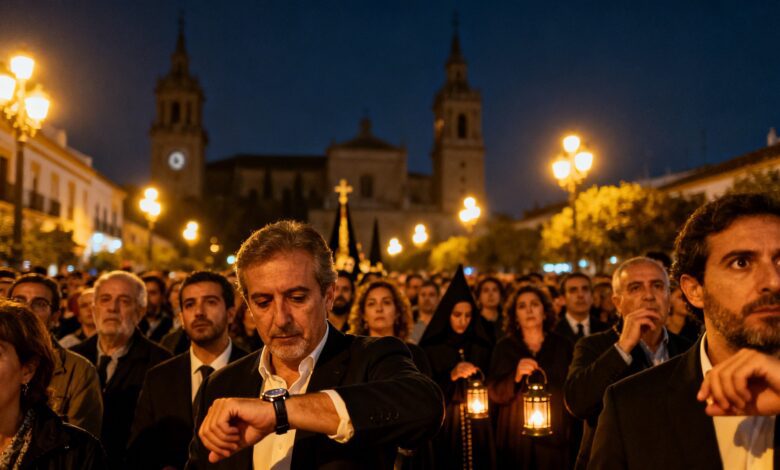
The impact of the time change is especially noticeable in cities where Semana Santa features mass parades and night processions. This year, the clock change will take place between Sábado de Pasión and Domingo de Ramos, as the streets of Sevilla, Jerez de la Frontera, and other cities fill with worshippers and tourists. At 2:00 a.m., clocks will automatically jump to 3:00 a.m., meaning many procession participants will be out on the streets at the moment of the switch. As a result, some processions will finish later than usual, and organizers will need to adjust schedules and safety measures.
Changes for processions
In Sevilla, for example, the processions of brotherhoods such as Dolores de Torreblanca and Divino Perdón del Parque Alcosa will be concluding around the time of the switch. After the clocks move forward, the canopy processions will return to their churches after three in the morning. In other cities, including Córdoba and Málaga, morning parades will start according to the new time, which could cause confusion among participants and spectators. According to russpain.com, these changes require additional coordination between local authorities, security services, and religious organizations.
From early morning on Domingo de Ramos, solemn masses will be held in churches, and festive processions will begin on the streets of both large and small cities. In Córdoba, the Borriquita brotherhood will take to the streets around 10:00, in Málaga—Pollinica, and by midday in Seville, five major processions will be held according to the new time. In smaller towns and villages, processions start throughout the day, placing extra demand on local services and requiring strict schedule coordination.
Impact on health and daily habits
The switch to daylight saving time traditionally sparks debate among experts. Many point out that a sudden change in rhythm negatively affects biological processes: sleep is disrupted, appetite shifts, and there may be mood swings and decreased productivity. Most people’s bodies need several days to adapt, and during major public events, this process can be prolonged. It’s felt most acutely by those participating in night processions or working to ensure public order.
Last year, the Spanish government appealed to the European Union with a proposal to abolish seasonal time changes, arguing a lack of economic benefit and negative health effects. However, a final decision has yet to be made, and the spring switch to daylight saving time remains in place. In 2026, the issue is still unresolved, and residents must continue to adjust to the established practice.
Context and recent developments
In recent years, the issue of ending seasonal time changes has been discussed not only in Spain, but across Europe. Some countries have already abandoned this practice, while in Spain the clock changes remain in place despite protests from some citizens and recommendations from experts. In 2025, a similar time change coincided with major holidays, sparking a wave of debate in the media and on social networks. The question of whether moving the clocks is justified remains relevant, and every new time adjustment prompts public discussion.