A serious accident on La Gomera has once again raised concerns about road safety in the Canary Islands. A tourist bus carrying a group of travelers plunged off a cliff near San Sebastián de La Gomera. According to El Pais, the tragedy claimed the life of one man, three others were seriously injured, and 11 people sustained moderate injuries. The incident has triggered discussion about the state of local infrastructure and measures to prevent similar cases in the future.
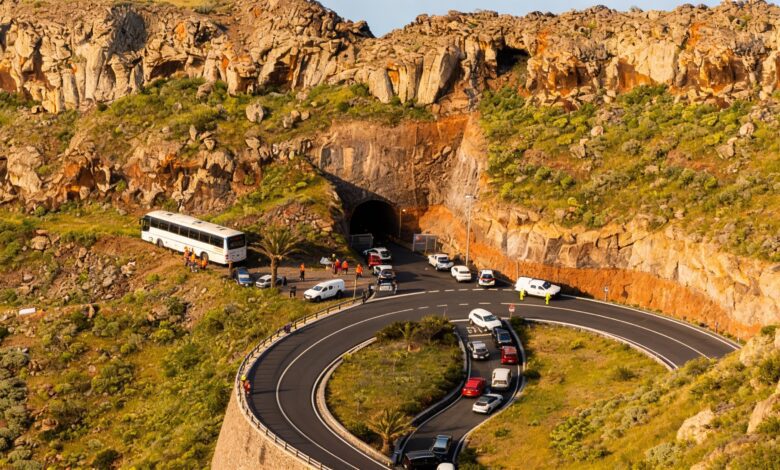
The incident occurred during the day when a private company’s bus was traveling along the GM-2 highway, which connects the island’s capital with other areas. At the second kilometer of the route, the vehicle suddenly lost control and slid down a steep slope. Ambulance crews, medical helicopters, and police quickly arrived at the scene. Victims were taken to nearby hospitals, and rescue workers remained at the crash site until late evening.
Causes and consequences
Officials have not yet named the exact cause of the accident, but point to the challenging landscape and winding roads typical of La Gomera. Despite regular road surface updates, sharp turns and elevation changes present additional risks for drivers, especially when transporting large groups of tourists. Island authorities have already stated the need to review safety standards and step up monitoring of vehicle conditions.
According to El Pais, the GM-2 highway section where the tragedy occurred had previously seen serious accidents. In May 2025, a regular service bus also veered off the road and overturned, resulting in the death of an elderly woman and injuries to ten passengers. These incidents highlight the importance of adapting the transport system to the island’s unique landscape.
Response and measures
Following the incident, local authorities launched an inspection of all private and municipal transport operators working on La Gomera. Special attention is being paid to routes passing through mountain areas and national parks. In the coming weeks, additional training exercises for emergency services are planned, along with updated guidelines for tourist bus drivers.
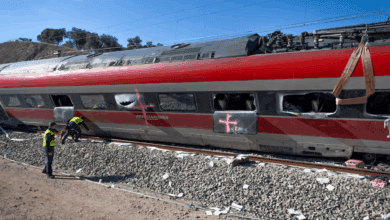
Public discussion intensified after reports about the tragedy were published. Many residents and experts are comparing the incident to recent accidents on other Spanish roads. For example, residents of Huelva recently organized a memorial march after a railway disaster in Adamuz, demanding reforms in transport safety. Such initiatives show that the issue requires a comprehensive national approach.
Features of La Gomera
La Gomera is the second least populated island in the Canary archipelago, home to just over 22,000 residents. The island has only three main roads, with the GM-2 serving as the key route connecting the capital to other municipalities and passing through the unique Garajonay National Park. Despite modern road construction standards, the island’s geography remains a transport challenge, requiring special attention to safety issues.
As El Pais notes, regular inspections and infrastructure upgrades do not always fully eliminate risks. Drivers working in La Gomera face constant challenges: sharp turns, limited visibility, and frequent elevation changes. These factors all increase the chances of accidents, particularly during periods of high tourist activity.
In recent years, the Canary Islands have seen a rise in incidents involving public transportation. An analysis by russpain.com indicates that most of these cases are linked to human error and the island’s terrain. Authorities continue to seek a balance between tourism growth and ensuring safety for all road users.
Recalling recent events, it is worth noting that similar accidents have occurred on other islands of the archipelago. In 2024, a tourist bus in Tenerife was also involved in an accident on a mountain road, which sparked discussions among transport specialists. On the Spanish mainland, attention to road safety increased following several major accidents involving buses and trains. These incidents highlight the need for continuous monitoring and the implementation of new technologies to prevent tragedies.