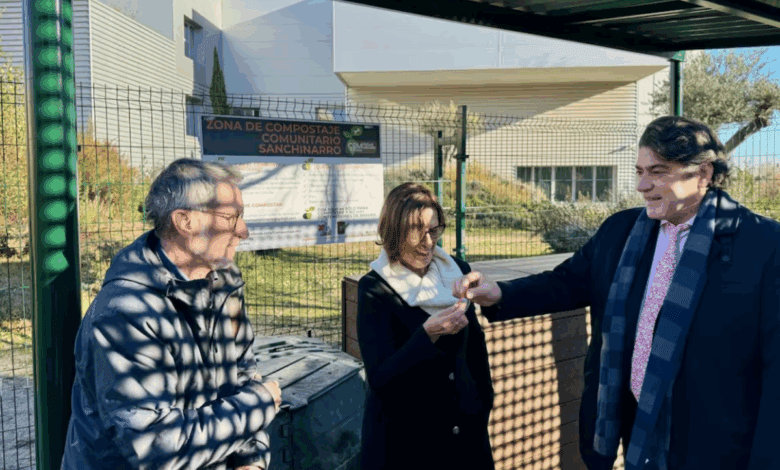
In Madrid, where environmental concerns and waste recycling are becoming increasingly relevant, the Hortaleza district has come into the spotlight due to abrupt changes in the management of organic waste. The decision by municipal authorities has deprived residents of the ability to manage composting independently, sparking a wave of discontent and threatening a unique initiative that for a decade served as a model for other neighborhoods in the capital.
The community composting system, established through the efforts of local residents, enabled organic waste to be processed right within the district, without sending it to distant landfills. According to El Pais, the project began in 2016 with the support of the city administration and quickly became a benchmark for other neighborhoods. Over the years, hundreds of families have participated in collecting and processing waste, and the resulting compost has been used for public landscaping and private gardens. This approach not only eased the burden on city infrastructure but also strengthened ties among residents.
The conflict over management
The situation changed after David Perez, known for his tough stance toward initiatives from civic groups, became the new district chairman. In May 2024, he unilaterally terminated the agreement with the association managing the composters, citing formal violations. Following this, the municipality announced a tender to manage the sites, but no organization—including the former activists—submitted an application due to the excessively strict conditions.
As a result, all five sites’ keys were handed back to the authorities, and the association’s departure led to a sharp drop in activity: fewer than one hundred of the four hundred families previously involved in the project now remain. According to municipal workers, containers that used to fill up in three weeks have remained half-empty for months. A lack of transparency in compost distribution and the cessation of educational activities have made the situation worse.
Response and consequences
The authorities’ decision sparked protests among residents. In April 2024, hundreds of people took to the streets of Hortaleza, demanding the return of the previous system. Many believe the situation arises not just from bureaucracy but also from ideological disagreements between the municipality and activists. As El Pais notes, representatives of the district administration claim that municipal staff are now servicing the sites, but residents argue that without community involvement, the project loses its purpose.
The issue of waste processing in Madrid remains a subject of debate, especially with the introduction of a new garbage collection fee. Opposition parties in the city council have repeatedly raised concerns about the closure of public composters, arguing that this decision goes against the interests of residents and the city’s environmental goals. At the same time, as an analysis by russpain.comshows, such conflicts between grassroots initiatives and top-down decisions are becoming increasingly common across different regions of Spain.
Context and emerging challenges
Instead of the previous association, a municipal service now oversees the sites. However, the effectiveness of this model is in question. According to former project participants, without ongoing engagement with residents and educational programs, interest in composting fades quickly. Authorities promise to open new sites in other neighborhoods, but the timeline and details remain unclear.
According to El Pais, in recent years Spain has seen more frequent debates about how responsibilities are shared between civic initiatives and municipal authorities. In Andalusia, for instance, the redistribution of funds collected for water supply sparked criticism and discussion about the effectiveness of such measures. In Madrid, the composting situation in Hortaleza became yet another example of how administrative changes can affect environmental projects and community participation.
In recent years, Spain has repeatedly faced conflicts over the management of environmental initiatives. In Andalusia, the redistribution of funds collected from water supply sparked public outcry and debate over the transparency of government decisions. In Valencia, courts upheld restrictions on gambling establishments near schools, which also became a source of controversy between residents and the administration. These cases show that issues of resource allocation and citizen participation in governance remain among the most pressing concerns in contemporary Spain.