In 2026, Spain and Portugal will celebrate the 40th anniversary of their membership in the European Union. To mark this occasion, European Commission President Ursula von der Leyen recorded a congratulatory video highlighting the achievements and cultural heritage of both countries. The video features iconic symbols: flamenco, fado, architectural masterpieces, and famous personalities. However, attentive viewers were quick to notice a curious detail—Madrid, the capital of Spain, is nearly absent from this celebratory video.
The video opens with music, featuring lyrics about flamenco and fado—two musical traditions that have become hallmarks of the Iberian Peninsula. The visuals then introduce Portuguese explorer Fernando de Magallanes (Fernando de Magallanes), Catalan architect Antoni Gaudí, creator of the Sagrada Familia in Barcelona, and singer Rosalía, who is also from Catalonia. The Spanish segment of the video clearly favors Catalan culture and Barcelona over the nation’s capital.
Cultural focus
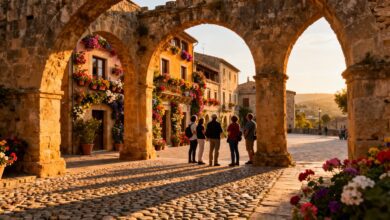
The video continues exploring symbols of both countries: paella appears on screen, writer José Saramago is mentioned, along with artist Pablo Picasso. Special attention is given to the architecture of Lisbon and Barcelona, described as cities with unique character. The slogan “40 Years Together” accompanies scenes that highlight the unity of Spain and Portugal within Europe.
The historic moment of Spain’s accession to the EU was not overlooked either. The video recalls January 1, 1986, when, under President Felipe González, the country officially joined the European community. Happy Spaniards are shown celebrating the event in the streets. Six years later, in 2002, Spain switched to the euro under Prime Minister José María Aznar.
Barcelona in the spotlight
However, it was the absence of Madrid from the key moments of the video that sparked a heated reaction in Spanish society. Social media users were quick to point out that the country’s capital was left in the shadows, while all attention went to Barcelona. Some commenters wryly noted that Madrid region leader Isabel Díaz Ayuso is unlikely to be pleased with this situation.
Instead of the familiar sights of Gran Vía or Puerta del Sol, viewers saw only Catalan and Portuguese motifs. For many, this was unexpected: after all, Madrid is traditionally seen not only as Spain’s political, but also as its cultural capital. Nevertheless, the creators of the video clearly opted for bright, easily recognizable images most associated with Spain abroad.
Public response
Debate has erupted on social media: some argue that Barcelona truly deserves special attention for its architectural heritage and cultural influence, while others are convinced that leaving out Madrid is an obvious oversight. Residents of the capital, in particular, reacted strongly, feeling left out.
One user sarcastically wrote: “Oh, and where is Madrid?”—highlighting the capital’s absence from the video. Such comments quickly gained traction, and the discussion moved beyond social media, becoming a topic in cafés and on the streets.
A European Perspective
From the perspective of the European Commission, the focus on Barcelona and Lisbon is understandable: these cities have long been symbols of openness, innovation, and cultural diversity. Yet for Spaniards, especially Madrid residents, this choice is controversial. In a country where regional identity plays a major role, such details do not go unnoticed.
Perhaps the creators of the video wanted to showcase Spain’s diversity, but instead only fueled long-standing regional tensions. Nevertheless, the country’s anniversary in the EU is a source of pride, whatever misunderstandings occur in the celebratory videos.