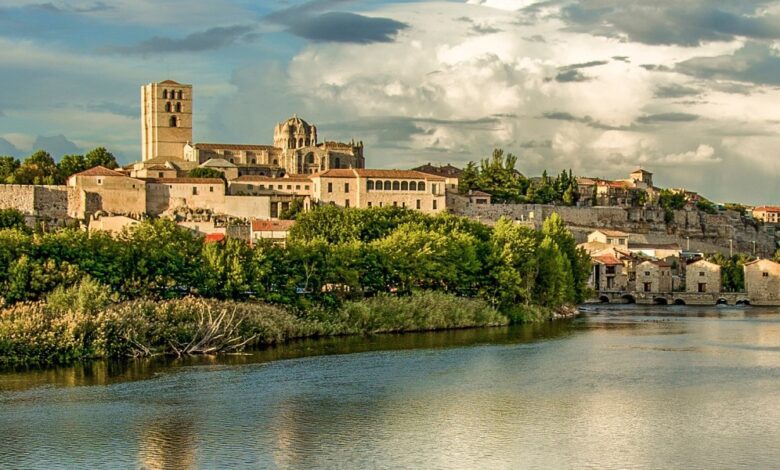
Zamora, stretching along the banks of the Duero River, is a true gem of Spanish history and art. Rightfully known as the ‘capital of Romanesque style,’ the city enchants visitors with its medieval streets, rich gastronomy, and the warmth of its locals. Yet behind the ancient walls and majestic cathedrals lies a demographic reality that raises questions about the region’s future. What is the population of this unique city and its province today?
A demographic snapshot of the capital
According to the latest available statistics, the administrative center of the province is home to 59,506 people. This number puts Zamora in seventh place among the most populous cities in the autonomous community of Castilla y León. Leading the list are such regional giants as Valladolid, Burgos, Salamanca, León, Palencia, and Ponferrada. On the national scale, however, the city holds a modest 131st place.
For better context, let’s compare Zamora to other Spanish municipalities. With its population, Zamora is similar, for example, to Mérida in Extremadura or Motril in the province of Granada. Even within its own region, it’s in the same league as Ávila. These comparisons clearly illustrate the city’s place on Spain’s demographic map, underlining its status as a small provincial capital.
The province in numbers: the reality of Spain’s heartland
Looking at the province as a whole, the numbers become even more telling. The total population is 166,253 residents, ranking the region 45th out of Spain’s 50 provinces — ahead of only Ávila, Palencia, Segovia, Teruel, and Soria, areas that also face significant population decline. Within Castilla y León, this is the fifth most populous province.
The population size of this area is comparable to provinces like Cuenca. This reflects a low population density and underscores the broader depopulation trend affecting much of Spain’s interior. The issue, often referred to as ‘Empty Spain,’ is particularly acute here, posing major challenges for authorities to retain young people and attract new residents.
Beyond the capital: who leads the way?
When analyzing the province’s demographics without its administrative center, the question arises: which is the largest municipality? Here, Benavente confidently takes the lead, with a population of 17,261. The city plays a crucial role in the comarca’s economy, serving as a key service and logistics hub. Its strategic location at the crossroads of northwestern Spain’s main transport routes ensures its stable position.
Interestingly, aside from Zamora itself and Benavente, only one other municipality in the province surpasses the 5,000-inhabitant mark — the historic city of Toro. The rest are small villages and settlements, further highlighting the region’s rural and sparsely populated character.
Cultural Heritage Versus Demographics
The paradox of Zamora lies in its demographic challenges coexisting with an astonishing wealth of cultural and historical treasures. The city is a European leader in the number of Romanesque churches. Its Holy Week, recognized as an event of International Tourist Interest, draws thousands of pilgrims and travelers each year, captivating them with the solemnity and beauty of its processions.
A rich cuisine, numerous cultural festivals, and the unique charm of the old town together ensure a high quality of life. This may be the key to tackling the region’s demographic problems. Its unique atmosphere and accessible real estate market can attract both permanent residents and investors, offering a peaceful, unhurried lifestyle amid centuries of history.