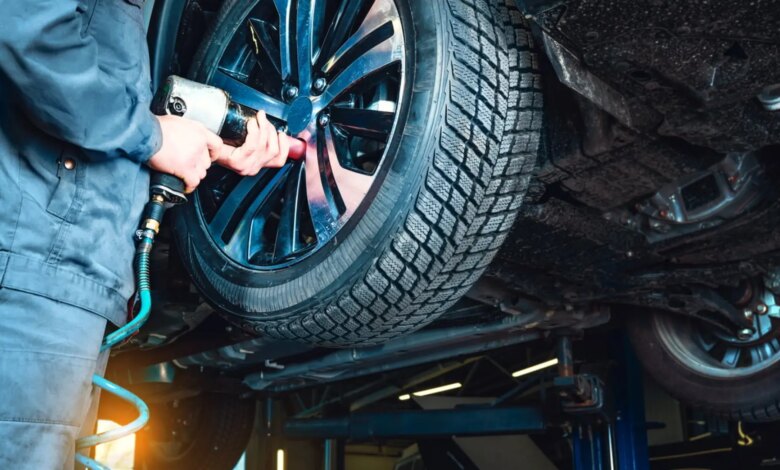
In Spain, the process of installing and balancing car tires is considered a mandatory procedure during vehicle maintenance. This operation is essential to prevent premature tire wear and possible damage to other parts of the vehicle.
Tire manufacturers cannot ensure perfect balance for every tire at the factory. However, they provide mechanics with special markings to help achieve the best results during installation. Red and yellow dots are often visible on the sidewall. These markers serve as guides for proper mounting.
The red dot indicates the stiffest part of the tire, where there is the greatest deviation of radial force. The yellow dot, on the other hand, marks the lightest spot on the tire’s circumference. Sometimes, both marks are present on the tire, but it is also common to see only one.
If both red and yellow dots are present, the red dot is used as a reference during installation. It should be aligned with the location of the air valve. If the red mark is missing, then the yellow one is used, also aligning it with the valve. This approach minimizes imbalance and simplifies subsequent wheel balancing.
Incorrect balancing can lead to a range of problems, including reduced ride comfort, the appearance of vibrations and bouncing, accelerated tire wear due to overheating, and increased fuel consumption. Additionally, the suspension and other chassis components can suffer, which may affect the car’s handling and braking performance.
The question of where to install new tires—on the front or rear axle—often sparks debate among car owners. In Spain, it is customary to fit new tires on the rear axle, regardless of the drivetrain type. This approach reduces the risk of skidding, improves cornering stability, and lowers the chance of hydroplaning. Even if the car is front-wheel drive, it is recommended to move the more worn tires to the front and install the new ones at the rear.
For all-wheel-drive vehicles, it’s important to replace all four tires at the same time. This helps prevent uneven wear, which can negatively affect the transmission and lead to costly repairs.
Following these recommendations can help extend the life of your tires and improve road safety in Spain. Paying close attention to details during wheel installation and balancing ensures your vehicle operates reliably under any conditions.