Inside Spain, far from the usual tourist routes, a quiet but significant transformation is taking place: abandoned railway lines are once again becoming part of the region’s life. In La Alcarria, where time seems to slow down, the historic railway not only stands as a reminder of the past but also acts as a new magnet for those seeking unique routes for hiking and cycling. The official recognition of a new Vía Verde section in the province of Guadalajara has already sparked interest among tourism enthusiasts and local residents.
This section, running through the Alcarria Sur region, connects the border with Madrid and features small yet vibrant municipalities such as Mondejar and Pozo de Almoguera. Thanks to the efforts of local enthusiasts and organizations, the old railway is being transformed into a modern route for outdoor activities, while preserving its historic atmosphere and architectural features.
A historical route
The new life of the Vía Verde is built on the foundation of a railway line originally conceived at the beginning of the 20th century. The ambitious project at that time aimed to link Madrid with Aragón, but it was never fully completed — the rails only reached Alocén. Nevertheless, for nearly half a century, trains connected small settlements, providing them with both economic and social vitality.
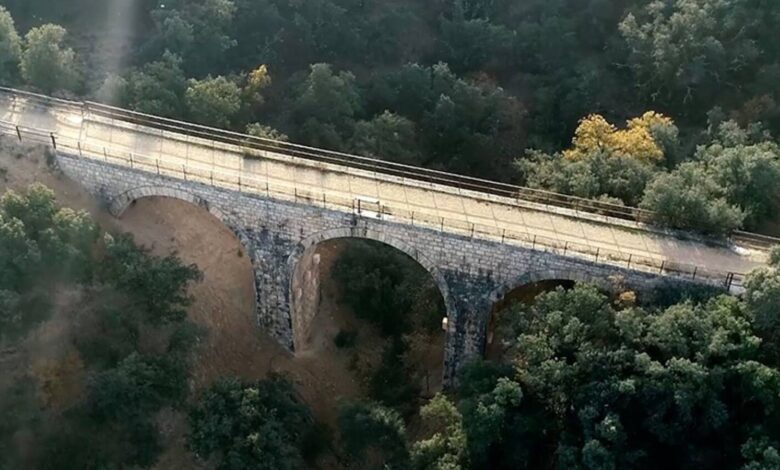
Over the years, the railway lost its importance, and after the line closed, many structures were abandoned. However, in 2009–2010, a large-scale restoration began: tunnels, stone bridges, and viaducts were preserved and integrated into the new route. Today, these elements not only enhance the landscape but also give the trail a unique authenticity, making it one of the most recognizable among Spain’s Vía Verde routes.
Landscapes and Infrastructure
Those who have already explored the new section highlight its unique character. The trail features a gravel surface and is mostly flat, making it accessible for people of varying fitness levels. The old stone viaducts are especially striking, as if they transport travelers to another era.
Information stands have been installed along the route, and educational and cultural events are regularly organized for visitors. All of this not only helps popularize the trail but also drives the development of local tourism, which is increasingly sustainable and focused on preserving the natural and historical heritage.
The Role of Local Initiatives
The revitalization of the Vía Verde was largely driven by the Asociación para el Desarrollo Rural de la Alcarria Sur. Thanks to their dedication and efforts, not only was the infrastructure restored, but attention was also drawn to the challenges facing small towns too often overshadowed by big cities.
The association is actively promoting the route as a tool for the region’s economic growth. As part of the project, special educational programs have been created, informational materials published, and campaigns conducted to attract tourists. All this has not only preserved historical memory but also breathed new life into forgotten corners of La Alcarria.
Tourism and the Future
The opening of a new section of Vía Verde has already attracted attention not only from locals, but also from travelers from other regions of Spain. The route is gaining popularity among cycling enthusiasts, families with children, and everyone who prefers outdoor activities. It’s important to note that developing such routes contributes not only to tourism growth but also to shaping a new identity for rural areas.
Plans for the future include further expanding the route and integrating it with other tourist destinations. This will make it possible to create a unified network of natural and cultural routes that will support the region’s sustainable development and help preserve its unique character.
The Rural Development Association of Alcarria Sur is more than just an organization—it’s a true engine of change in the region. In recent years, it has become a symbol of the revival of historic routes and an example of how local initiatives can transform entire areas. Thanks to their efforts, the Vía Verde in Guadalajara has been transformed from an abandoned railway into a modern tourist route that connects the past and future of La Alcarria.