Semana Santa 2026 is expected to set a record for the number of car journeys across Spain. During these days, the country’s roads will become a real test for drivers: heavy traffic, unexpected jams, and increased checks by the Guardia Civil. Every detail—from tire condition to driver fatigue—can lead not only to fines but also to serious safety risks.
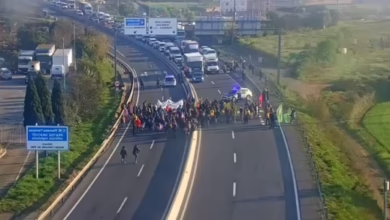
This year, the Dirección General de Tráfico (DGT) is launching a large-scale Operación Especial Semana Santa 2026, which will unfold in three key phases. The first wave—Operación Salida—begins on March 27 at 15:00 and ends at midnight on March 29. The second and busiest phase runs from April 1 to April 2, when millions of Spaniards head to the coast, the mountains, or to visit family. Everything concludes with Operación Retorno on the night of April 5. These days will see the highest number of patrols on the highways, along with mobile and stationary speed cameras, including new ‘invisible’ systems that catch violations before drivers even notice.
Control and preparation
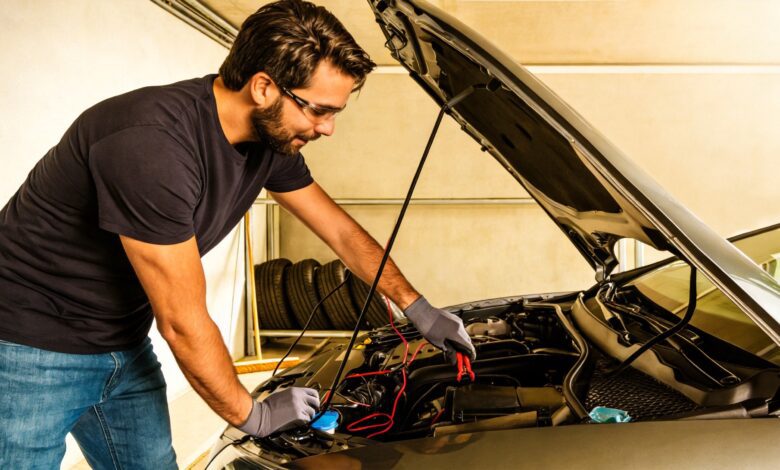
The Guardia Civil advises against postponing vehicle preparations. Checking tire pressure and condition is not just a formality—it’s a matter of safety. Worn-out tires or incorrect pressure dramatically increase the risk of an accident, especially on wet or slippery roads. Don’t forget about brake fluid: it’s recommended to change it every two years, but many neglect this step. It’s also important to check coolant and windshield washer fluid levels—small details that could prove crucial in a difficult situation.
Before setting out, it’s important to check the current road conditions. The DGT regularly publishes updates on traffic jams, accidents, and weather. Planning your route with this information can help you avoid spending extra hours in traffic and reduce stress. According to RUSSPAIN.COM, most accidents during holidays happen due to rushing and a lack of up-to-date information about road conditions.
Breaks and attention
Fatigue behind the wheel is a hidden danger for any driver. The Guardia Civil reminds: every two hours or after 200 kilometers, you should take a break. Even if you feel alert, your attention dulls and reaction time decreases. A short rest, some stretching, and water help restore concentration. Experts recommend dedicating at least half an hour to a break to reduce the risk of the so-called ‘tunnel effect’, when drivers stop noticing what’s happening around them.
Pay special attention to mobile phones. Using a device while driving will cost you 200 euros and six points off your license. This penalty applies not only for making calls, but even for simply holding the phone, even if it is turned off. The Guardia Civil insists: your phone should be set to ‘silent’, and your mind focused solely on the road.
Safety measures
During the holidays, it’s not just Guardia Civil patrols on the highways—traffic management center staff, aviation units, and technical teams are also on duty. Their mission is to ensure maximum safety and respond quickly to any incidents. Drivers should remember that even a minor violation can have serious consequences when traffic is heavy and speeds are high.
This year, particular attention is being paid to preventing accidents caused by fatigue and inattention. Statistics show these factors are among the main causes of traffic accidents during holiday periods. That’s why Guardia Civil recommends planning your route in advance, not skimping on rest, and avoiding distractions behind the wheel.
Guardia Civil is the national body responsible for road safety in Spain. Its units work closely with the DGT and other agencies to enforce regulations, manage traffic, and provide assistance in emergencies. In recent years, the agency has actively adopted new technologies—including advanced speed cameras and video surveillance systems—to improve road safety across the country.