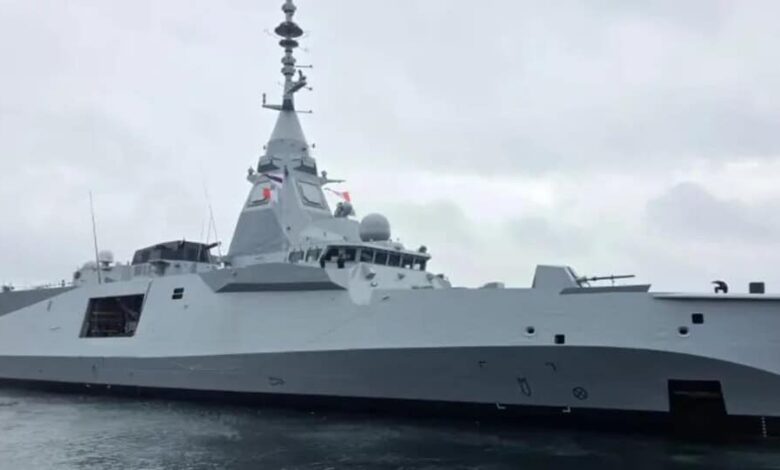
In the coming years, Sweden’s Navy is set for major reinforcement: the country plans to acquire four modern frigates—its first such upgrade in fifty years. This move is driven by shifting geopolitical realities and the need to strengthen defense capabilities following its accession to the North Atlantic Alliance. Authorities have already set deadlines: two vessels are scheduled to enter service by 2030, with two more by 2035.
Defense officials emphasize that the new ships must feature enhanced air defense capabilities. This approach will boost protection not only for maritime borders but also for Sweden’s airspace—a critical measure amid today’s security threats.
Frigate Selection and International Partnerships
The Swedish Defence Materiel Administration (FMV) has completed its review of global market proposals. The priority is to select existing projects in order to meet tight deadlines. Among the options considered is the next-generation French frigate Frégate de Défense et d’Intervention (FDI), developed by Naval Group. Officially presented to Sweden last month, this project drew interest thanks to its advanced technology and potential for localized production.
If the French option is chosen, shipbuilding is planned to take place in partnership with leading Swedish defense enterprises, including Saab. This approach would not only speed up the process but also ensure technology transfer and create new jobs within the country.
Strategic Objectives and Development Prospects
The fleet modernization is linked to the need to adapt to new challenges facing Sweden after joining NATO. Authorities note that modern frigates should become a key component of the air defense system and enhance the country’s ability to protect maritime communications. Additionally, the new ships will be significantly larger and more powerful than the current Visby-class corvettes, expanding the range of missions they can undertake.
A final decision regarding the model and supplier is expected at the beginning of next year. Defense officials emphasize that meeting deadlines and technical requirements remains a priority. If the project is successfully implemented, Sweden will be able to significantly strengthen its position in the Baltic Sea region and enhance cooperation with its NATO allies.
International Partnerships and Offers
Recently, talks took place in Stockholm between the Swedish Minister of Defense and his French counterpart. The French side expressed readiness to deliver the first fully equipped frigate as early as 2030. This approach will allow Sweden to quickly access advanced technologies and start operating the new ships in the shortest possible time.
An important aspect of future cooperation will be the integration of Swedish and French solutions, ensuring maximum efficiency and adapting the ships to the specific needs of the Baltic region. Moreover, the involvement of national companies in the project will help develop local expertise and strengthen the country’s industrial potential.
Did you know? Naval Group is a world leader in shipbuilding
Naval Group is one of Europe’s largest shipbuilding companies, specializing in the design and construction of warships, submarines, and weapons systems. Headquartered in France, the company boasts a history spanning more than 400 years. Over this time, it has delivered dozens of major projects for the French Navy as well as fleets around the world. Naval Group is at the forefront of innovation, with a strong focus on digitizing and automating its production processes. The company is renowned for its advances in stealth technology and the integration of advanced weapons and control systems. In recent years, Naval Group has expanded its international partnerships, offering not only fully built vessels but also comprehensive solutions for localizing production. Thanks to this approach, the brand is a world leader in military shipbuilding and continues to strengthen its presence in new markets.