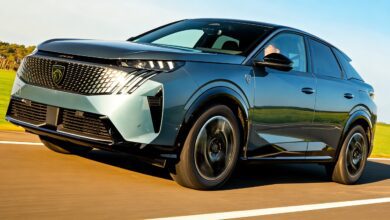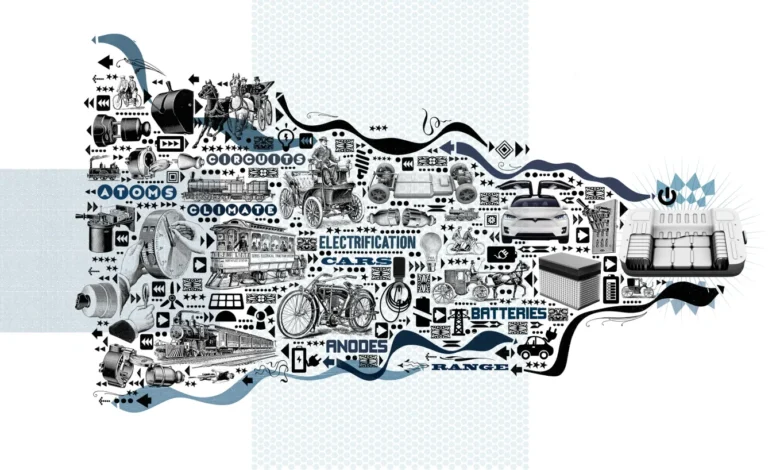
Instead of a conventional internal combustion engine, electric cars use a traction battery. This isn’t just a battery pack, but a complex system made up of hundreds of cells grouped into modules. Modern models use high-capacity lithium-ion batteries. The internal structure of the battery pack is carefully engineered: a cooling system, temperature sensors, and multi-level electronics ensure stable and safe operation. The range of an electric vehicle without recharging is determined by the battery’s capacity and efficiency.
Engine and transmission
Electric vehicles lack a traditional gearbox. Instead, a reducer with a fixed gear ratio is used, which greatly simplifies the design and reduces the risk of breakdowns. Electric motors—either asynchronous or synchronous with permanent magnets—deliver maximum torque from the very first rotations, with no delays. This gives electric cars quick responsiveness and confident performance, especially in urban driving conditions.
The key element of the powertrain is the inverter. It converts the battery’s direct current into alternating current needed for the electric motor, and also controls power output and speed. The inverter is responsible for smooth ride quality, forward and reverse motion, and the overall efficiency of the system. In modern models, this component is highly reliable if standard operating guidelines are followed.
Control and safety
The Battery Management System (BMS) acts as the central controller. It continuously monitors the status of each battery cell, controlling temperature, voltage, and current. The BMS prevents overheating, overdischarge, and other potentially dangerous situations by automatically limiting or stopping charging when necessary. Without such a system, electric vehicles would not meet modern safety and reliability standards.
Energy recuperation is another important feature of electric vehicles. During deceleration or braking, kinetic energy is converted back into electricity and returned to the battery. In urban traffic, this significantly improves efficiency and reduces energy consumption, especially in traffic jams.
Charging and operation
Electric vehicles can be charged both from a household power outlet and at dedicated charging stations. Slow charging is suitable for overnight use, while fast charging restores up to 80% of the battery’s capacity in about 30 minutes. However, the high currents used in fast charging require effective cooling and BMS operation to prevent battery overheating.
Operating an electric car is generally simpler compared to a vehicle with an internal combustion engine. There’s no engine oil, spark plugs, or most other expendable parts. The main focus is on the condition of the battery and electronics. Maintenance costs are usually lower, but it’s important to consider reduced range in cold weather and increased load on the cooling system in hot conditions.
Benefits and Features
One of the key advantages of electric vehicles is their environmental friendliness. The absence of exhaust fumes reduces air pollution, and the low noise level makes urban life more comfortable. Electric cars also offer a high level of comfort: smooth acceleration and braking, instant response to the accelerator pedal, and integration with mobile apps to monitor the car’s status.
However, there are still some limitations. The price of new electric vehicles remains above average, and charging infrastructure is developing unevenly. For long trips, you need to plan your route ahead of time based on available charging points. Nonetheless, the situation is improving every year: the network of charging stations is expanding, new services are emerging, and more affordable models are appearing.
The world’s leading automakers — Tesla, BYD, Volkswagen, Nissan and others — are heavily investing in electric vehicle technology. Manufacturers are improving batteries, extending driving range, and cutting charging times. By 2026, electric vehicles will be available in every market segment, from compact city cars to luxury SUVs. In many countries, the purchase of such vehicles is supported by tax incentives and free parking. Experts predict that by 2030, electric cars will become the dominant mode of transport in major cities across Europe and Asia.