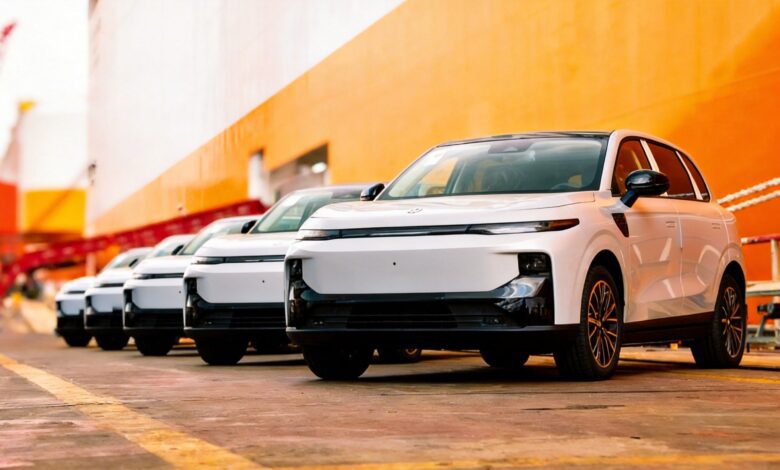
The decision to launch production of Leapmotor electric vehicles at the Stellantis plant in Zaragoza (Figueruelas) is shifting the balance of power in the market. Production of the B10 model will begin here as early as 2026, and the B05 will follow in early 2027. This step not only strengthens Spain’s position in the European automotive industry, but also creates new opportunities for local professionals and suppliers. Amid rising competition and pressure from Asian brands, localizing production is becoming a key factor in preserving jobs and driving technological development.
Currently, the Figueruelas plant produces the Peugeot 208, Opel Corsa, and Lancia Ypsilon. The arrival of Leapmotor marks a large-scale modernization of production lines, especially the second line, which will be adapted for new tasks. According to russpain, there is talk of launching two more models — A10 and A05 — which could make the plant one of the largest electric vehicle production centers in the country. For the region, this means not just new jobs, but long-term investments in the future.
Reasons for change
The main incentive for relocating production is the new European tariffs on imports of electric vehicles from China. By the end of 2024, these tariffs will have reached 40%, making shipments from Asia economically unviable. Producing in Spain allows Leapmotor not only to avoid additional costs, but also to access state support programs, such as Plan Auto+, which provides higher subsidies for cars assembled in Europe. This decision speeds up the introduction of new technologies and supports the development of a local supply chain.
In recent years, the region has seen a rise in joint ventures involving Chinese and European companies. The creation of LPMIB Automotive Spain’s subsidiary and the launch of chassis production in Borja, with the participation of Fagor Ederlan and Duoli, confirm this trend. Such projects facilitate the exchange of expertise and the introduction of advanced solutions, which is especially important amid intensifying competition in the electric vehicle market.
Market impact
The entry of Leapmotor into Spain could shift the balance of power among electric vehicle manufacturers. Through its partnership with Stellantis, the Chinese brand gains access to an extensive dealer network and infrastructure, while the European group benefits from advanced hybrid and electric powertrain technologies. This enables both parties to respond more quickly to changes in demand and offer competitive products.
For consumers, this means a wider choice and lower prices for electric vehicles, and for the industry, an accelerated transition to environmentally friendly transport. It is worth noting that Leapmotor had previously attempted to launch production in Poland, but the project was halted due to the country’s support for new tariffs. Now, the focus is on Spain, where conditions for localization have proven to be more attractive.
Infrastructure and support
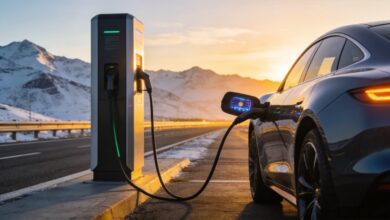
The development of charging infrastructure is becoming an essential component of successful electric vehicle projects. In 2026, new ultra-fast charging zones will appear along the country’s main highways, allowing drivers to forget about long stops and queues at charging stations. Read more about the launch of these facilities in the article about new ultra-fast charging points on Spain’s highways. This further drives demand for electric vehicles and makes their use more convenient for residents across the country.
The introduction of new Leapmotor models and the expansion of production in Zaragoza is not just a response to external challenges but a strategic step that could reshape Spain’s automotive market. In the coming years, the number of such projects is expected to grow, leading to new jobs and development in related industries.
Antonio Filosa serves as CEO of Stellantis and is responsible for the group’s strategic decisions in Europe. Under his leadership, the company has been actively investing in electric vehicle development and expanding its collaboration with Asian manufacturers. As a result, Stellantis is becoming a leader in the adoption of new technologies and localizing production in Spain, strengthening the country’s position in the European market.