The government’s decision to hold a memorial event for the victims of the tragedy in Adamuz has sparked widespread reaction in Spain. The significance of this event for the country is clear: it is not only about honoring the memory of those who died, but also about trust in the authorities, who, according to many, did not show proper respect to the families of the victims. The memorial took place in Huelva, but its format and organization became subjects of discussion and criticism.
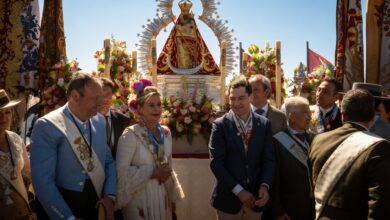
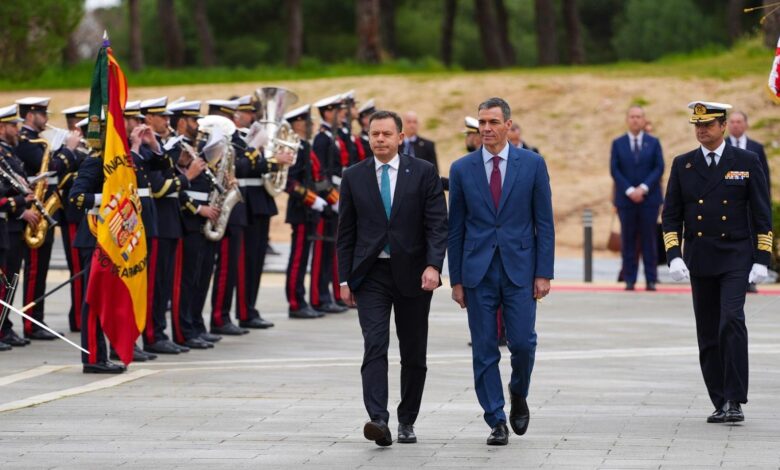
The event lasted only a few minutes and was held under strict secrecy. Authorities used Pedro Sánchez’s visit to the Spain-Portugal summit in La Rábida as an opportunity to unveil a memorial plaque. It bears only three names: journalists Óscar del Toro and María Clauss, as well as Cuban student Daniela Arteaga, all of whom were affiliated with UNIA. The other victims of the tragedy were not mentioned, causing public bewilderment.
Without the families’ participation
Particular outrage was caused by the fact that neither the families of the deceased nor the survivors were invited to the ceremony. Access to the site was strictly limited, and the level of security matched that of an international summit. Only government representatives were present, including eleven ministers as well as local and provincial officials. For many Spaniards, this decision came as both unexpected and painful.
The Moncloa press office had previously informed journalists that the event was dedicated exclusively to those connected with the university and who were on the train during the tragedy. However, the official Moncloa website initially described it as a commemorative event for all victims. This inconsistency raised questions about the transparency and sincerity of the organizers’ intentions.
Moments of silence and criticism
During the ceremony, poems by the poet Juan Ramón Jiménez were read, and a minute of silence was observed. However, as reported by a RUSSPAIN.com source, this moment was dedicated not to the victims of Adamuz, but to those affected by recent floods in Spain and Portugal. This gesture caused further discontent among the victims’ families and the public.
Fidel, the son of one of the victims, expressed his disappointment on social media, noting that the families had been completely excluded from participation. He stressed that the government had already received their forgiveness but had still not provided the full truth about what happened. Such statements further intensified public resonance around the memorial and the authorities’ actions.
Context and consequences
Among those present at the ceremony were such figures as the mayor of Palos de la Frontera, Milagros Romero, senator Carmelo Romero, the mayor of Huelva, Pilar Miranda, and the president of the provincial Diputación, David Toscano. Despite the high-profile guests, the absence of the families and the limited circle of invitees became the main topics of discussion in Spanish society.
In recent years, Spain has faced criticism over the organization of memorial events following tragedies. For example, after the train accident in Galicia in 2013, similar concerns arose regarding attention to the victims’ families and the transparency of the investigation. Such cases show that public trust in the authorities largely depends on how openly and respectfully they honor the memory of the deceased and their loved ones. Memorials held without the participation of families are often perceived as mere formalities rather than genuine acts of remembrance.