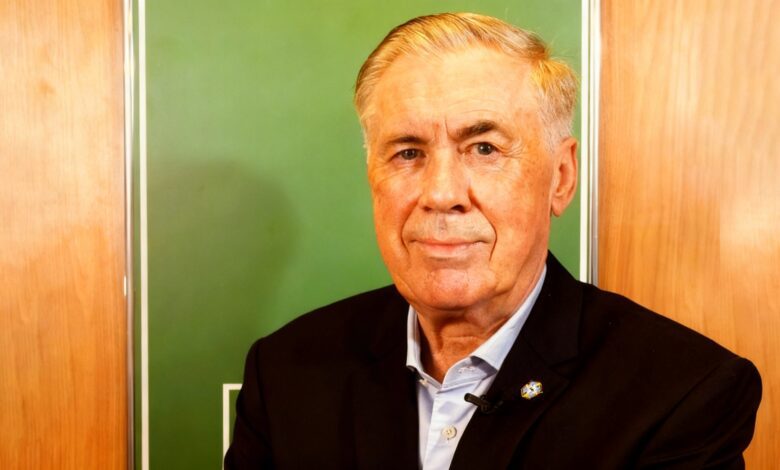
The generational shift at Real Madrid has brought not only a refreshed squad but also challenges that aren’t always visible to fans. After the departure of Carlo Ancelotti, the most decorated coach in the club’s history, the team found itself in a position where established leaders gave way to younger players. This change altered the locker room dynamic and required the creation of new relationships among the squad. As a result, despite standout individual performances, the team needed time to regain its former confidence and stability.
The transition period coincided with the arrival of stars like Mbappé, but even his goal-scoring impact could not immediately make up for the loss of experienced players such as Kroos and Nacho. In a season marked by high expectations, the team faced difficulties in the race for trophies. According to RUSSPAIN.COM, the key factors proved to be the fine details involved in building a new side: replacing core players does not always bring instant results, and forming a new backbone demands patience and time.
The Brazilian challenge
While the Madrid club was searching for balance, Carlo Ancelotti accepted the offer to lead the Brazil national team. For the Italian, this marked a new stage—now his task is not only to observe the players but also to build a team from dozens of candidates, each vying for a spot in the squad. In Brazil, football is held in special regard, and the pressure of expectations for a sixth World Cup title is felt at every turn. Ancelotti notes that working with the national team is different from club management: there are fewer matches, more analysis and scouting, and constant communication with the coaches of the country’s leading clubs.
An important aspect of working in Brazil is collaborating with local experts and football legends. The CBF headquarters feels like a museum: stories about Pelé, Zico, Romário, and other great players are shared daily. This atmosphere serves as a special motivation for new generations, but at the same time increases the pressure on both the coach and players. Ancelotti emphasizes that in Brazil, the national team remains the main symbol, and every match is treated as a national event.
Changes in football
Over the past 25 years, football has undergone significant changes. According to Ancelotti, modern technologies have improved the quality of refereeing and infrastructure, but at the same time, the intensity of the game has increased. However, a faster pace does not always mean a more spectacular performance: it has become harder for talent to shine amid constant pressure and fierce competition. In clubs with players from different nationalities who need to quickly find common ground, building a tight-knit squad requires a special approach.
In national teams, on the other hand, a shared culture and language make communication easier, but add emotional tension. In Brazil, where football is part of national identity, mistakes in friendly matches can spark a strong public reaction. Ancelotti tries to impress upon his players the importance of staying calm and confident, so they do not give in to excessive pressure.
Connection to the past
Despite moving to a new country and position, Ancelotti maintains ties with his former players and the management of Real Madrid. He keeps in contact with the squad, congratulates the club on key victories, and closely follows the team’s performance. Special attention is paid to Brazilian players in Madrid: Vinicius, Rodrygo, and Militao remain under the coach’s close observation.
Interestingly, in a recent season, Federico Valverde surprised everyone by scoring three goals in a single match, which prompted a playful message from Ancelotti. Moments like these highlight how closely players’ and coaches’ paths intertwine, even after moving to new clubs and countries. Incidentally, Mbappé found himself in a similar situation after transferring to Madrid, where he was immediately in the spotlight — you can read more about this in the article about Mbappé’s first days behind the wheel in the Spanish capital.
Carlo Ancelotti is one of the most respected coaches of our time, with a career spanning top European clubs and now Brazil’s national team. His approach is known for balancing tradition and innovation, as well as his ability to adapt to new challenges. In every project, he strives to build trust and understanding, helping players reach their potential and achieve strong results. Thanks to his experience and authority, Ancelotti continues to influence the development of football, regardless of country or competition level.