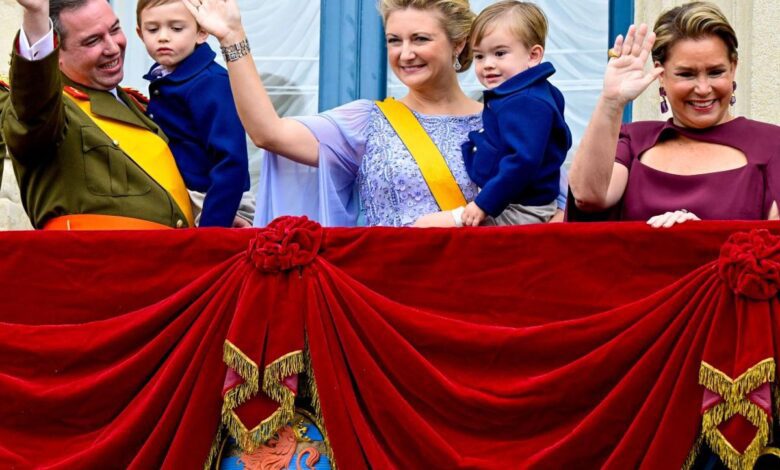
A new chapter in the history of the monarchy has begun in the very heart of Europe. After a quarter of a century of rule, Grand Duke Henri and Grand Duchess Maria Teresa have passed the reins of power to their successors, Guillaume and Stéphanie. The lavish three-day celebrations marking this historic transition inevitably drew public attention not only to the ceremonies themselves but also to a more delicate topic—the colossal wealth of the ruling house.
Although the fortune of the grand ducal family may seem modest compared to the astronomical sums held by Asian monarchs—such as the King of Thailand, whose wealth is estimated to be ten times greater—within Europe they are in a league of their own. With an estimated fortune of around 4 billion euros, they confidently surpass other European royal houses, including the Prince of Liechtenstein, whose personal assets are somewhat lower despite his family’s control over a vast banking and management empire.
The financial power of Luxembourg’s dynasty is remarkable, especially given the modest size of the nation. Unlike many of their European counterparts who rely heavily on state subsidies, the Grand Ducal family’s wealth is largely self-made, coming from an extensive portfolio of real estate, landholdings, and private investments. Government allocations mainly cover staff salaries and official events. However, this financial independence has not shielded them from scandals. In 2006, a major public outcry erupted when Grand Duke Henri attempted to auction off the jewels of his late mother, Grand Duchess Joséphine-Charlotte, just a year after her passing. The move sparked a wave of criticism from citizens, who viewed the jewels as part of the national heritage and accused the monarch of trying to profit from it. Under intense public pressure, the family was forced to cancel the sale.
In addition to their gemstone collection, the family’s assets are anchored in a significant portfolio of real estate across the country. Among their official residences, three emblematic properties stand out: the magnificent Grand Ducal Palace in the city center, Berg Castle, and Fischbach Castle. As a gesture of openness, the palace doors are opened to the public during the summer, with all ticket proceeds directed to the Grand Dukes’ charitable foundations—helping foster a positive public image.
As preparations were underway for the transfer of power in the spring of last year, the Grand Ducal Court took the unusual step of directly addressing persistent media reports about their wealth. In an official statement, they sought to put an end to speculation, describing the widely cited figure of 4 billion euros as “greatly exaggerated and misleading.” Breaking with their longstanding tradition of silence on personal financial matters, a court spokesperson clarified that the family’s private fortune amounts to only a fraction of that sum. The statement aimed to draw a clear distinction between their private assets and the nation’s cultural and historical heritage, which they manage but do not own. The announcement ended with a firm assertion of the family’s right to financial privacy, equal to any other citizen of Luxembourg, making it clear that no further details would be disclosed.