In Madrid, where tradition and change go hand in hand, a small barber shop in the Pacifico neighborhood has unexpectedly become a hub for flamenco enthusiasts. Every February, it hosts gatherings that not only keep the memory of the great musician Paco de Lucía alive but also shape a new cultural space for the city’s residents. Events like these highlight how local initiatives can impact urban life and bring together people from different generations.
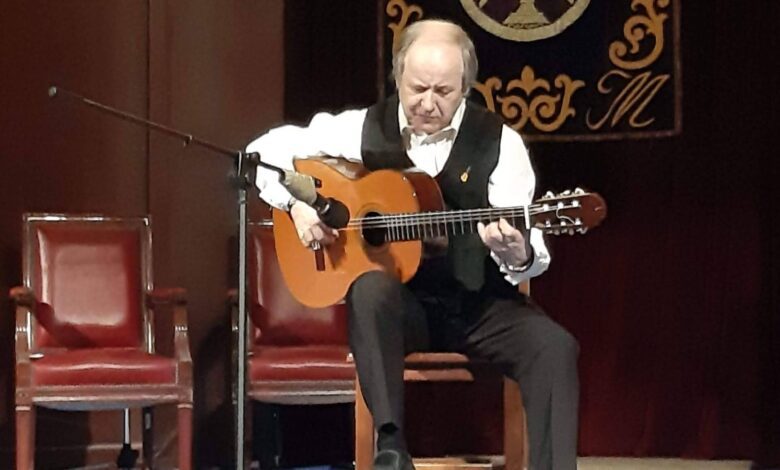
The walls of the shop, run by Eladio Domínguez and Maribel, are adorned with photographs, old posters, and newspaper clippings dedicated to Paco de Lucía. The atmosphere feels more like a cozy club than a regular barbershop. Eladio is not only a skilled barber but also a passionate guitarist, who for twelve years in a row has organized intimate tribute evenings to the famed musician from Algeciras. Each time, the best guitarists from across Spain and a small group of true flamenco fans gather here.
A family legacy
The roots of this unique tradition reach far beyond Madrid. Eladio’s family comes from Villanueva de la Sierra, where six generations have worked as barbers. Their family barbershop has operated since 1791 in the same building erected in the 18th century. In 1963, the family moved to the capital, where Eladio’s father began working in the Prosperidad neighborhood, and Eladio himself started mastering the trade from a young age, even practicing shaving on balloons to hone his skills.
Later, his father started his own business in Carabanchel, where his clients included not only locals but also well-known flamenco figures — guitarists, singers, dancers. Thanks to this, Eladio earned the nickname “the gypsy barber,” as he was equally skilled with scissors and with the guitar. In those years, he became acquainted with names like Antonio Canales, El Viejin, Felipe Maya, and others.
The Path to Music
Eladio’s passion for music began in childhood: at first, he sang in a choir, later studied at the conservatory, and eventually mastered the guitar, combining both classical and flamenco techniques. Everything changed when he discovered the work of Paco de Lucía, who reshaped the art of the guitar and inspired an entire generation of musicians. According to Eladio, it was Paco who made flamenco more open and modern, and his collaboration with Camarón de la Isla became a symbol of transformation in the genre.
In the 1970s and 80s, Eladio often visited Madrid’s famous tablaos — Torres Bermejas, Café de Chinitas, Corral de la Morería, Casa Patas. For a time, he even performed on stage together with Manzanita and other artists. However, life on stage did not become his main path, and he continued to hone his skills as a barber, never letting go of his guitar.
Remembering Paco de Lucía
In 1992, Eladio met Paco de Lucía at a football match in Orcasitas. Later, they would see each other at concerts and private gatherings, as well as at the workshops of renowned guitar makers. After Paco’s death in 2014, Eladio decided to host annual tribute evenings, with the first one taking place at the Ateneo de Madrid, drawing more than two hundred people. Over time, the format became more intimate, but interest in these gatherings remains strong: this year, Carlos Orellana, El Entri, and Carlos Caceres have already performed at the barbershop.
These days, the barbershop welcomes not only musicians, but also people who want to learn to play guitar. Eladio continues to share his expertise, with students coming in even after closing time for lessons. According to El Confidencial, despite challenges and changes, the tradition endures, and the venue still feels truly homely.
Cultural shifts
Local initiatives like Eladio’s gatherings are becoming part of Madrid’s cultural scene, alongside other events that are changing the face of the city. For example, the recent exhibition on the influence of 1980s art on the capital also showed how individual enthusiasts can inspire entire communities and create new traditions.
In recent years, Spain has seen a growing number of small cultural venues hosting concerts, exhibitions, and workshops. These spaces have become gathering points for local residents and visitors alike, fostering a sense of local identity. In Madrid and other cities across the country, such initiatives are supported not only by professional musicians but also by ordinary citizens who value preserving their heritage and passing it on to new generations.