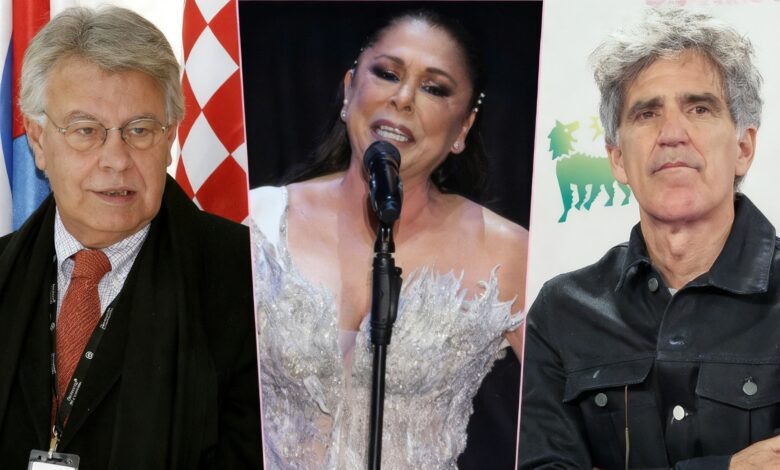
The loss of Cantora has been one of the most significant events in the life of Isabel Pantoja. Once, this Andalusian estate was not only the singer’s home, but also a meeting place for well-known politicians, artists, and members of the elite. Today, according to Divinity, Cantora is no longer what it used to be: it has changed hands and is now turning into a pistachio plantation. Financial troubles, including a debt of nearly 2.2 million euros, have brought the famous dehesa into the spotlight—not only for fans, but also for creditors.
The program “El Precio de… Cantora” on Telecinco examines the estate’s history in detail, as well as the reasons why Pantoja lost her stronghold. As Divinity reports, it was the mortgage default that became the key factor leading to the seizure and subsequent sale of Cantora. Looking back, it is clear: in its prime, the estate hosted people whose names are known across Spain.
Visits from politicians and royalty
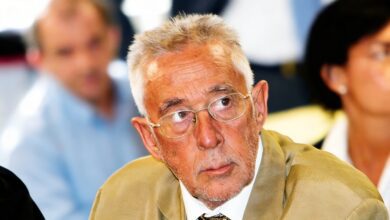
In the 1970s and 80s, Cantora welcomed not only artists but also members of the highest levels of government. Among the guests were former king Juan Carlos I and the ex-president of the government, Felipe González. According to Divinity, in 1979 Juan Carlos I arrived at the estate by helicopter, which became a subject of conversation in social circles. In those years, Cantora was associated with prominent names, and the festive, flamenco-filled atmosphere drew a wide variety of people.
Felipe González visited here more than once, and his presence in the Pantoja family’s life even gave rise to some curious rumors. For example, Kiko Rivera, the singer’s son, once believed as a child that González was his grandfather. Stories like these only highlight how closely personal and public lives intertwined within Cantora’s walls.
Artists and unexpected guests
Among the artists who visited Cantora, actor José Coronado stands out. He acted alongside Pantoja in the film ‘Yo Soy Esa’ and recalled being struck by the scale of the house and the hostess’s hospitality. Coronado dismissed rumors about poor conditions at the estate, emphasizing that the atmosphere was far from tabloid stories about rodents and disorder.
Equally interesting is the story of Mikel Erentxun, a fan of Pantoja’s work, who once posted a photo at Cantora’s gates on social media, hinting at his dream to enter. These moments show that for many celebrities, Cantora was more than just the singer’s home—it was a symbol of a certain era.
Legends and rumors surrounding the estate
Unusual stories have always swirled around Cantora. One of the most talked about concerns the night Lady Di died. Kiko Rivera recounted that on that night, his mother allegedly saw the princess’s ghost, sparking new rumors and discussions among fans. According to Kiko, Pantoja was a big admirer of Lady Di, and this mystical tale only added to the estate’s air of mystery.
Among the guests at Cantora were well-known figures from the entertainment world, such as Omar Montes, Raquel Bollo, Luis Rollán, Chelo García Cortés, José Manuel Parada, and María del Monte. Some gained fame due to their connections with Pantoja, while former estate staff—including Pepi Valladares and Laura Cuevas—became media personalities whose stories about life at Cantora regularly appeared on television programs.
Changing owners and new trends
Cantora’s transfer to new owners is part of a wider trend, as renowned Andalusian estates are being repurposed. Similar stories have involved other notable properties, such as the Bertín Osborne estate, previously reported in the article on the fate of the San José estate in Seville. Such changes reflect not only the financial challenges facing owners but also shifts in demand for luxury real estate in the region.
Today, Cantora is set for a new chapter: rows of pistachio trees will replace social gatherings and flamenco nights. For many of Pantoja’s fans, this marks the end of an era when artists’ private lives were closely tied to the country’s history.
Isabel Pantoja is one of Spain’s most renowned singers, whose career began back in the 1970s. Her name is closely linked with the copla and flamenco genres, while her personal life has often made headlines in the media. The singer purchased the Cantora estate together with torero Paquirri, and for many years the property remained a symbol of her success and family traditions. Despite financial difficulties in recent years, Pantoja remains a prominent figure in Spanish culture, and her story continues to attract the interest of fans across generations.