Stress is often seen as something negative, but in reality, it plays a vital role in everyone’s life. According to Gustavo Díez, a meditation expert and head of Nirakara Lab, stress is a natural bodily response that helps us cope with challenges and react quickly to dangers. Without this mechanism, humans would not be able to adapt to change or survive in difficult situations.
However, it’s important to remember: stress is only beneficial when its level remains within acceptable limits. In moderate amounts, stress boosts brain activity, maintains focus, and can even foster the development of new skills. But when tension becomes a constant companion, it starts to damage both health and mental well-being.
When stress turns into an enemy
Gustavo Díez notes that many people don’t know how to reduce stress levels in time. As a result, the body accumulates tension, leading to chronic fatigue, weakened immunity, and even depression. Physical exercise is often chosen as a universal solution to stress. However, intense workouts themselves trigger a stress response in the body. If recovery is neglected, this can lead to overexertion and a decline in well-being.
It becomes especially dangerous when a person fails to notice they’ve crossed the line between healthy and harmful stress. In this state, even familiar activities that once brought joy start to trigger irritation and apathy. Dies emphasizes the importance of learning to listen to your body and to stop in time, to avoid serious consequences.
Brain Under Pressure: Why Taking Care of Yourself Matters
The brain is one of the most energy-consuming organs in the human body. It uses up a huge amount of resources, and when these are lacking, it’s the brain that suffers first. When the body runs low on energy, the brain switches to a special operating mode, similar to what happens during illness or fever. This leads to decreased activity, worse memory, and reduced concentration.
If stress becomes chronic, the brain starts to work overtime. This can result in sleep disorders, learning difficulties, and even the development of psychosomatic illnesses. That’s why it’s essential not only to tackle external sources of stress, but also to maintain inner balance using simple yet effective methods.
Breathing and Meditation: Keys to Harmony
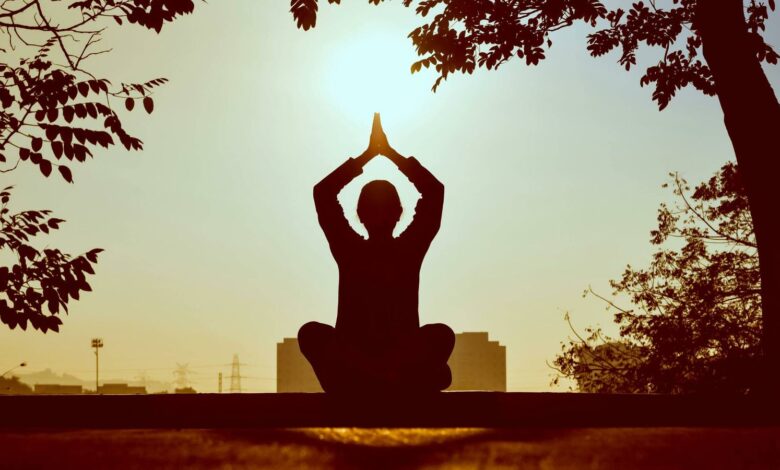
Gustavo Dies recommends paying special attention to breathing exercises and meditation. These techniques not only help lower stress levels, but also improve overall well-being. Practicing regularly aids in restoring the nervous system, boosts memory, and increases resilience to external irritants.
It’s important to remember that mastering meditation and breathing exercises takes time and patience. However, even just a few minutes a day dedicated to mindful breathing can significantly improve your quality of life. Dios is confident: once a person learns to manage their state of mind, they can not only cope with stress but also harness its energy for personal growth and development.