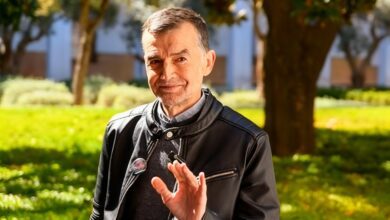
Miguel Ángel Muñoz, a well-known Spanish actor whose career demands constant effort, has found his ideal place to recharge. Far from the hustle and bustle of central Madrid, he discovered a spot on the Catalan coast that has become a true haven for him. For several consecutive years now, he has consistently returned to the Girona coastline, even preferring it over the famous Balearic Islands, which he also tries to visit every year. This place, where wild nature harmoniously blends with a rich cultural heritage, offers him the solitude and new experiences he needs.
A coast of contrasts and timeless beauty
This is Costa Brava, a coastline stretching over two hundred kilometers from Blanes to the French border at Portbou. The region is famed for its diversity: wide sandy beaches ideal for families coexist alongside hidden coves nestled among dramatic cliffs. But the allure of Costa Brava extends beyond the sea. Medieval villages, authentic markets, and a rich artistic heritage create a unique atmosphere that draws travelers all year round. This destination can satisfy a wide range of tourists, offering tranquil seaside escapes as well as top-tier gastronomic and cultural discoveries. It’s no surprise that more than a third of Girona province is protected by the state as areas of outstanding natural value.
Cap de Creus: where the wind sculpts surrealism
One of the region’s most iconic sites is the Cap de Creus Natural Park. In 1998, it became Catalonia’s first land and sea park. Its rocky formations, shaped over centuries by the relentless Tramontana wind, create truly otherworldly landscapes. This is where the great Salvador Dalí drew inspiration for his surrealist paintings. Today, the park continues to attract those seeking a blend of nature and art. The whimsical shapes of the weathered rocks, especially in the Pla de Tudela area, resemble fantastic creatures and spark the imagination. Cap de Creus is also the easternmost point of the Iberian Peninsula—a rugged area where ancient schists and wind-carved granite sculptures form a unique landscape full of history and wild beauty.
Life in all its forms
Cap de Creus Park is not only a geological wonder, but also a vital sanctuary for many animal species. It serves as a corridor for migratory birds and a home for resident populations. Here, you can spot booted eagles, peregrine falcons, eagle owls, crested cormorants, and gulls. The park’s vegetation features Mediterranean shrubs and grasses well adapted to drought and poor soils: ferns, heather, juniper, and Aleppo pines dominate the landscape. The marine depths off the cape are also teeming with life. This area is notable for its high concentration of cetaceans, such as bottlenose dolphins, and is rich in iconic fish species like sea bass and grouper. Occasionally, sea turtles can even be seen near the shore.
From fishermen’s huts to world-renowned festivals
Summer on the Costa Brava moves to the rhythm of music. From traditional habanera songs in Calella to international concerts at festivals in Cap Roig or Porta Ferrada, the Girona coast skillfully blends age-old traditions with contemporary cultural events. Add to this the vibrant local fiestas, like those in Platja d’Aro, which offer free entertainment and create a unique atmosphere for visitors of all ages. Among the most remarkable towns are Palamós, with its bustling fishing port and superb seafood; Calella, famous for its colonial heritage; Cadaqués, a bohemian haven for artists with whitewashed houses that captivated Dalí; and Tossa de Mar, with its impressive Vila Vella fortress offering breathtaking views of the Mediterranean. This combination of pristine nature, rich history, and cultural diversity is what makes Costa Brava a place people long to return to—something reaffirmed by the choice of a famous actor.