In Madrid, architecture has long ceased to be a privilege of the few. Paloma Gómez Marín, director of the Open House Madrid festival, believes that being an architect is not just about big names and iconic buildings. The city’s facades hide much more than meets the eye. Her career—from designing projects to managing major cultural events—shows how the architect’s role is evolving in today’s society.
Gómez Marín didn’t dream of blueprints as a child. She consciously chose her profession when it was time to decide on her future. What drew her to architecture was its breadth: it merges art history, the exact sciences, and the power to shape the urban environment. Ultimately, she not only succeeded as an architect but also became a driving force for change.
Career twists
Gómez Marín began her career in a traditional architecture firm. Among her projects was the National Center for Cardiovascular Research in Madrid (Centro Nacional de Investigación Cardiovascular). However, the economic crisis of 2007 forced many specialists to look for new directions. For Paloma, it was the impetus to pivot her career—leaving for cultural management and soon taking the helm of Open House Madrid, a festival that opens the doors of the city’s most iconic buildings to the general public every year.
At the same time, she founded a company specializing in industrial housing construction. In her view, this approach has the potential to transform the sector: rapid assembly, minimal waste, clean worksites, and consistent quality. These technologies are just beginning to gain traction in Spain, but Gómez Marín is convinced they represent the future.
A city for everyone
In eleven years, Open House Madrid has grown into a major urban event. More than 25,000 people visit the festival over one weekend. The latest program featured 110 buildings and 30 architecture studios open for tours. Organizing an event of this scale is impossible without hundreds of volunteers and close cooperation with universities. For many students, it’s a chance to get their first hands-on experience in the profession.
Gómez Marín emphasizes that architecture should be closer to people. In Spain, the focus for a long time was on the number of buildings rather than their quality. As a result, many public spaces—such as sports complexes, libraries, and schools—look dull and faceless. She believes that these very spaces deserve more attention and a creative approach.
Madrid beyond stereotypes
Paloma’s perspective on Madrid is different from the typical tourist routes. She believes the city goes far beyond the center and its famous boulevards. Real life, she says, is thriving in neighborhoods like Carabanchel and Tetuán, where Madrid’s new identity is taking shape. According to her, Madrid is the most welcoming city in the world, yet it lacks self-confidence. Gómez Marín urges both residents and authorities to focus on the periphery to unlock the city’s full potential.
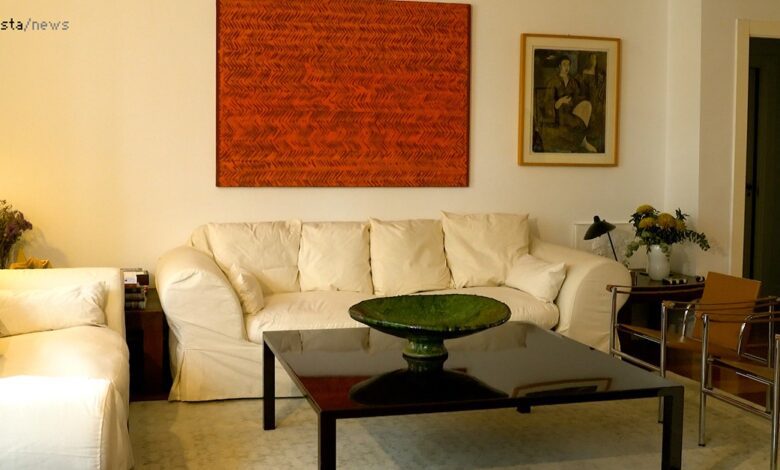
Among her favorite buildings, she highlights the Institución Libre de Enseñanza on Martínez Campos street. For her, this place is a symbol of openness and progress, not just an architectural landmark. In her own home, Paloma favors functionality — an open living room, plenty of storage, and a cozy workspace. She believes a home should reflect individuality rather than follow fashion trends.
The Future of the Profession
Gómez Marín jokes that many people still think all architects are the next Norman Foster. In reality, the field is much broader and more complex. Today’s architect is not just a project author, but a mediator between society, technology, and the urban environment. In times of rapid change, these are the professionals who can set new standards for quality and sustainability.
In Spain, industrial construction is still viewed with caution. However, examples from other countries show that modern technologies make it possible to build housing that is not only fast, but also attractive and long-lasting. Gómez Marín is confident that within a few years, this approach will become the norm and architecture will no longer be a luxury reserved for the few.
RUSSPAIN reminds readers that Paloma Gómez Marín is one of the most prominent figures in Spanish architecture in recent years. She heads the Open House Madrid festival, which gives residents and visitors access to dozens of unique buildings in the capital every year. In addition, Gómez Marín actively promotes industrial construction and participates in educational projects. Her work is aimed at making architecture accessible and understandable to everyone, not just professionals.