Segura compares Spain and the US why the healthcare system sparked debate
Premiere of “Torrente, presidente” — how the film became a platform for political debate
What Santiago Segura said about the role of art and politics at the Madrid premiere
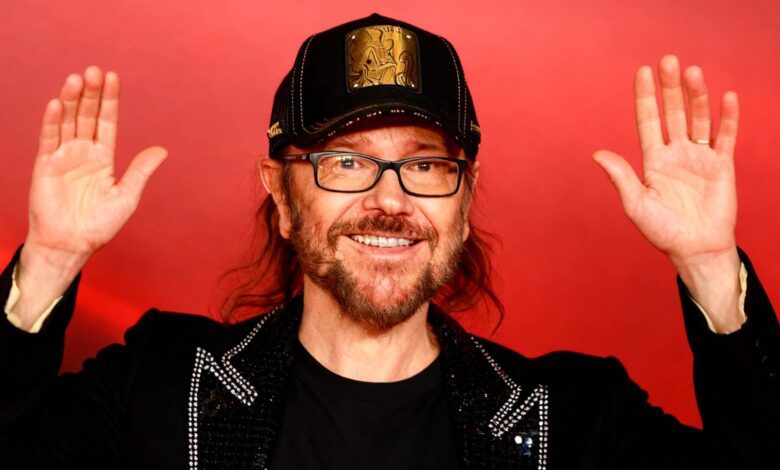
The premiere of “Torrente, presidente” in central Madrid was not just a cultural event but also an occasion to discuss political views in Spanish society. Santiago Segura, presenting the latest installment of his famous franchise, unexpectedly raised questions rarely heard at such events. His remarks that Spain has always seemed to him a country with strongly socialist traits sparked a lively reaction among the audience and in the media.
According to Divinity, the director and actor emphasized that it was important to him for true fans of the series to see the film first, rather than those who attend the red carpet just for attention. Segura stressed that he specifically sought to arrange an early screening for fans so they could appreciate the work before industry insiders and the press. In his view, this approach helps maintain an authentic atmosphere and supports interest in the project among the core audience.
Public reaction
Many guests at the premiere, including prominent members of the production team, noted the unusual organization of the event. Segura shared that before the release of each film, he always expects failure to avoid unrealistic expectations. However, this time, he said, audience reactions exceeded all hopes: in several halls, applause broke out after the screening, and the director himself was deeply moved. According to him, five years of work on the project felt fully justified in that moment.
Segura’s remarks on politics drew particular attention. He expressed hope that the character Torrente would never hold political power, and lamented that modern politicians too often forget voters’ needs, choosing instead to focus on internal conflicts. The director believes society needs to seek solutions rather than divide into opposing camps. He also pointed out that he is proud of Spain’s healthcare and education systems, considering them among the country’s greatest achievements.
Political undertone
Segura pointed out that most Spaniards support accessible healthcare and education, and few oppose these values. He compared the situation to the United States, where lacking insurance can lead to tragic outcomes, and stressed that such an approach is unacceptable in Spain. His comments sparked discussion among journalists and guests, many of whom agreed with the director on the need to maintain and develop public services.
As noted by Divinity, the premiere of ‘Torrente, presidente’ was not only a film presentation but also a platform for discussing current social and political issues. Segura managed to draw attention not only to his project but also to topics that concern broad segments of the population. This approach sets him apart from other figures in the industry and turns each of his statements into a matter of public interest.
Connection to other events
When discussing the family and personal aspects of public figures’ lives, it is worth remembering that interest in the private lives of politicians and celebrities in Spain remains strong. For example, details about the family of one of the regional leaders can be found in the article about the daily life of the president of Castilla y León’s family. Such publications highlight that society closely follows not only the professional achievements but also the personal views and actions of public figures.
Santiago Segura is one of the most recognizable figures in Spanish cinema, best known for the Torrente film series. His work is distinguished by its satirical take on society and often sparks media discussions. In addition to directing, Segura is actively involved in public life, addressing controversial topics and openly expressing his views on issues important to many Spaniards. His films consistently attract full houses, and each premiere sparks lively debates about the role of art and politics in contemporary Spain.