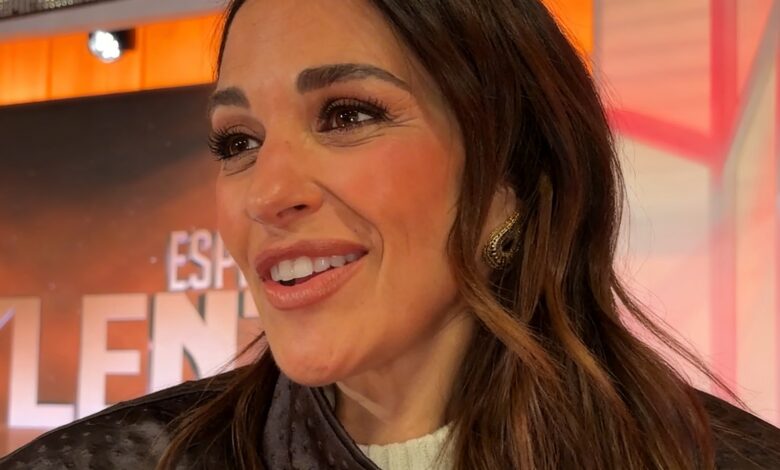
In recent seasons of Got Talent, viewers’ attention has increasingly focused not only on the contestants, but also on the judges’ reactions. A special place among them belongs to Paula Echevarría, whose emotional responses have become one of the show’s hallmarks. Her ability to empathize with participants, especially children and the elderly, sets her apart from her colleagues. As reported by Divinity, it is these particular groups of contestants that evoke the strongest feelings in her, reminding her of her own roots and family memories.
Paula doesn’t hide that scenes involving older people always bring back memories of her childhood and close relatives. According to her, such moments transport her to recollections of her grandparents, making each performance especially touching. Children also resonate deeply with her—their genuine emotions and vulnerability are capable of moving even the strictest judge.
Emotions and professionalism
However, despite her pronounced sensitivity, Paula Echevarría emphasizes the importance of objectivity. She notes that she does not let her personal feelings influence her final decisions. Even if a contestant’s story strikes her as particularly moving, she strives to judge solely on talent, not on life circumstances. In her view, this approach helps maintain fairness and respect for every participant.
In an interview with Divinity, the actress admitted that sometimes her emotions are so strong it’s hard to hold back tears. There have been times when a lump in her throat made it difficult to speak, but she believes it’s important not to suppress her feelings and to allow herself to be genuine. Still, Paula is certain that sincerity should not interfere with professionalism, and after each broadcast, it’s important for her to know she was honest and fair.
The fine line between empathy and judgment
Paula Echevarría notes that a dramatic backstory isn’t always needed to feel a personal response. Sometimes a look or a contestant’s behavior is enough to understand what they’ve been through. Yet, even in these moments, she tries not to fall into pity, choosing instead to focus on nurturing talent. In her view, constructive criticism—even when it stings—helps contestants grow and become stronger.
In this context, the experiences of other entertainment personalities who must balance personal emotions with professional duties are also noteworthy. For example, the story of Andrea Sabatini, who came into the spotlight thanks to his family connections and charity work, also highlights how difficult it is to strike a balance between feelings and objectivity. You can read more about this in the article on the personal challenges of Andrea Sabatini.
Judging without compromise
Paula Echevarría emphasizes that years spent on the other side of the stage have taught her not to give her consent to participate without good reason. She believes the jury’s job is not to encourage pity, but to help contestants become better. Even if the decision is difficult, she prefers to be honest so that participants can truly benefit from taking part in the show.
According to Divinity, Paula is convinced that only a fair approach preserves the trust of both viewers and contestants. She isn’t afraid to express unpopular opinions when she believes it’s necessary for talent to grow. This work ethic has made her one of the most respected figures among the Got Talent judges.
Paula Echevarría is a Spanish actress and TV presenter who rose to fame through her participation in various television projects. Her career began with roles in popular series, and she later became one of the most recognizable personalities on television. In recent years, Paula has been actively serving as a judge on Got Talent, where her emotional involvement and professionalism draw the attention of both audiences and contestants. Her judging style is based on a combination of sincerity and objectivity, making her a respected figure in the Spanish show business world.