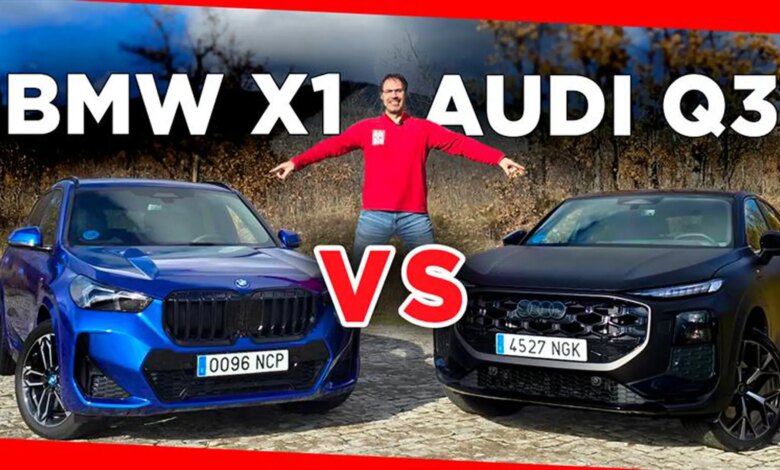
Choosing between the Audi Q3 Sportback eHybrid and the BMW X1 xDrive25e in 2026 comes down not only to personal preference but also to genuine needs. Both vehicles offer modern solutions for fuel efficiency and environmental care, yet their distinct characters become evident within the first few kilometers. For those seeking the maximum electric range and a flair for style, the Audi stands out as the more attractive option. In contrast, BMW focuses on comfort, spaciousness, and confidence on any road.
The exterior design of these models instantly highlights the differing brand philosophies. The Audi Q3 Sportback eHybrid features a sporty silhouette with a sloping roofline, giving it a dynamic look even at a standstill. The BMW X1 xDrive25e appears more solid and reserved; its lines evoke a sense of reliability and spaciousness. In terms of dimensions, the differences are minor: the Audi is slightly longer but lower, while the BMW is taller and feels roomier inside.
The interior of the Audi follows a classic design, where all controls are intuitively placed and the materials impress with their quality. The driver’s seating position is a bit lower than usually expected from a crossover, enhancing the sense of control and sportiness. The rear seats are comfortable, but the sloping roof may limit headroom for taller passengers. However, a sliding rear bench allows you to adjust for more legroom or to expand the luggage space.
Practicality and comfort
The BMW X1 xDrive25e offers a more upright seating position and a spacious interior for both driver and passengers. Getting in and out of the car is easier, and there’s more headroom. The BMW’s trunk stands out with a capacity of 490 liters compared to Audi’s 375, which is particularly important for family trips or transporting large luggage. The shape of the BMW’s luggage compartment is better suited for bulky items, making it more versatile.
The BMW’s dashboard features a modern design: minimal physical buttons and maximum touchscreen controls. This delivers a high-tech feel but takes some getting used to, as many functions are now only accessible via the multimedia system menu. In contrast, Audi retains a more traditional setup, appealing to those who value simplicity and reliability.
Practicality becomes key when it comes to everyday use. The BMW X1 xDrive25e offers xDrive all-wheel drive, which is especially valuable in changing weather conditions or on country roads. The Audi Q3 Sportback eHybrid focuses on efficiency and style, but its trunk falls short in terms of capacity.
Performance and fuel consumption
Both models boast impressive technical specifications, but each takes a different approach to hybrid technology. The Audi Q3 Sportback eHybrid combines a 1.5 TFSI petrol engine with an electric motor, delivering a total output of 272 hp and allowing up to 111 km of electric-only range on the WLTP cycle. This is one of the best figures among its competitors, enabling city driving with virtually no fuel consumption if the battery is recharged regularly. Acceleration from 0 to 100 km/h takes 6.8 seconds—an excellent result for a family crossover.
The BMW X1 xDrive25e is equipped with a 245 hp hybrid system and can travel around 83 km on electric power alone. Although its electric range is slightly shorter, its all-wheel drive system inspires confidence on slippery roads and during spirited driving. BMW stands out for its precise handling, with steering that offers more feedback—an advantage for those who enjoy dynamic driving. The suspension is firmer, giving added stability at speed, though it may feel less comfortable on rough surfaces.
Once the battery is depleted, both vehicles switch to hybrid mode, which results in higher fuel consumption. Audi typically averages 6–7 liters per 100 km, while BMW consumes slightly more. Drivers planning regular long-distance trips should keep this in mind.
A choice for city and family
The real advantages of each model emerge in everyday use. The Audi Q3 Sportback eHybrid is ideal for those who value style, enjoy driving electric, and rarely transport bulky items. Its appearance and agility make every trip a pleasure, while the electric range helps save on fuel. The BMW X1 xDrive25e shines in terms of practicality: more space, a convenient trunk, all-wheel drive, and a modern interior make it a great choice for families or active trips outside the city.
Interestingly, other hybrid and electric SUV options are appearing on the market, potentially challenging the usual balance of price and quality. For instance, an affordable SUV with an electric motor and a long warranty, produced in Spain, has already caught buyers’ attention by offering an alternative to conventional brands.
As Autobild reports, neither vehicle aims to be a one-size-fits-all solution. Audi and BMW bring different answers for different needs, and the choice depends on what matters most — maximum savings, style, or practicality and confidence on the road.
In 2026, the Audi Q3 Sportback eHybrid and BMW X1 xDrive25e remain among the most compelling options in the premium compact hybrid crossover segment. Their rivalry pushes manufacturers toward new technological solutions and encourages buyers to make more informed decisions.
The Audi brand has long been associated with innovation and attention to detail. The Q3 Sportback eHybrid has become a symbol of a new approach to urban mobility, where not only power and comfort matter, but also environmental responsibility. The BMW X1 xDrive25e, for its part, continues the brand’s traditions by combining dynamics, practicality, and cutting-edge technology. Both vehicles reflect the commitment of German manufacturers to create cars that meet the diverse needs of drivers in Spain and across Europe.